









 Nigeria’s security agencies are facing renewed pressure after an internal alert warned of possible coordinated attacks targeting high-value government facilities in the Federal Capital Territory (FCT) and neighbouring Niger State — a development that, if confirmed, could test the resilience of the country’s most heavily guarded institutions.
Intelligence points to multiple high-risk targets
According to an internal memo dated April 13 and issued by the Nigerian Customs Service, suspected terrorist groups are plotting strikes on critical infrastructure, including the Nnamdi Azikiwe International Airport, the Kuje Correctional Centre, and a military detention facility in Wawa, Niger State.
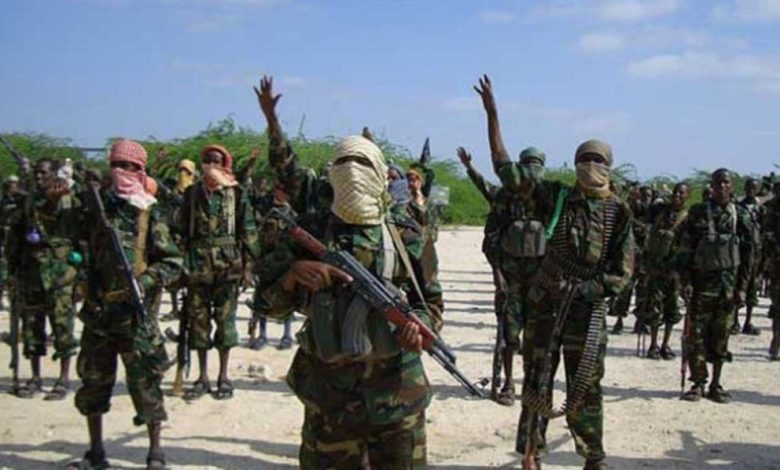
The document indicates that the plan involves a coalition of armed groups: Islamic State West Africa Province, a faction of Boko Haram reportedly led by Sadiku, Ansaru, and Jama’at Nusrat al-Islam wal-Muslimeen.
Crucially, the memo warns that some operatives may have already entered Abuja, suggesting that preparatory stages of the operation could be underway.
What is known — and what is not
The memo explicitly states that attackers aim to breach detention facilities and damage aviation infrastructure — actions that could trigger widespread disruption, including prisoner escapes, flight suspensions, and heightened public panic.
However, there has been no official public confirmation from defence authorities or the presidency as of the time of reporting. Details such as the number of operatives involved, the timing of the planned attacks, and the level of preparedness by security agencies remain unclear.
The absence of a formal response leaves a gap between intelligence warning and public assurance — a pattern that has, in past incidents, contributed to delayed or reactive security measures.
A familiar security playbook
The targeting of correctional facilities is not without precedent. In 2022, the Kuje prison was attacked in a high-profile operation that led to the escape of hundreds of inmates, including suspected militants. That breach exposed vulnerabilities in the protection of critical national assets, even within the FCT.
Similarly, the Kainji Lake National Park axis — referenced in the memo — has increasingly been identified by security analysts as a strategic corridor for armed groups. The dense forest terrain provides cover for training, movement, and coordination of attacks across Niger and Kwara States.
Sources familiar with recent security incidents link this network to a wave of kidnappings in 2025, including the abduction of students and staff from a Catholic school in Niger State, as well as women and children in surrounding communities.
Why this matters now
The implications of a successful attack on any of the identified targets would extend far beyond immediate casualties. A breach at Abuja’s international airport could disrupt domestic and international travel, undermine investor confidence, and expose gaps in aviation security.
An assault on detention facilities, particularly Kuje, risks repeating a scenario where high-profile detainees escape, potentially rejoining insurgent networks and escalating violence.
For residents of Abuja and nearby states, the report heightens an already growing sense of vulnerability. While the capital is often perceived as more secure than other regions, recent intelligence suggests that armed groups are increasingly willing — and able — to project force into the country’s administrative heart.
What happens next
The immediate focus will be on how security agencies respond to the alert. Preventive actions — including surveillance, patrol reinforcement, and intelligence coordination — are likely already underway, though not publicly detailed.
Experts say the effectiveness of the response will depend less on the volume of intelligence and more on how quickly and decisively it is acted upon.
For now, the situation remains fluid. What is clear is that Nigeria’s security challenges are no longer confined to distant rural enclaves — they are edging closer to the nation’s most symbolic and strategic institutions.
Residents and observers alike will be watching closely for both official reassurance and visible security measures in the days ahead.