









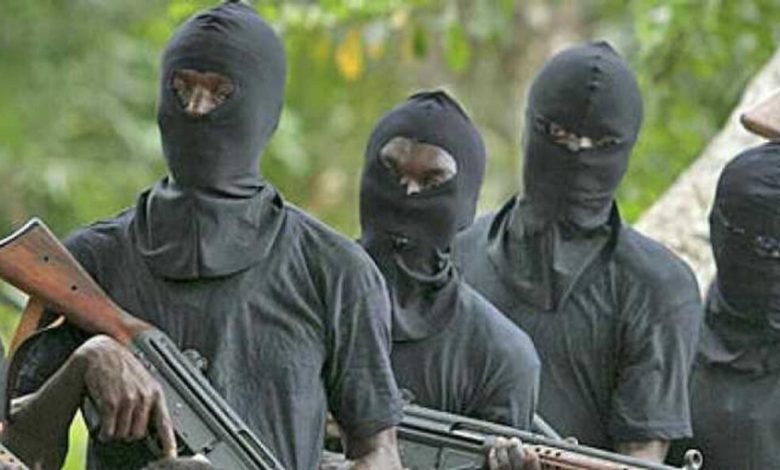
Barely hours after President Bola Ahmed Tinubu concluded a visit to Plateau State aimed at addressing insecurity, gunmen struck again in Jos, killing three residents in an ambush that underscores the fragile state of peace in the region.
The attack occurred in Nyamgo Gyel, a community in Jos South Local Government Area, where residents say three young men were gunned down while returning from a mining site. The victims — Luka Sandu Pam (36), Samuel Davou (38), and Deme Saidu (35) — were reportedly travelling on a motorbike when assailants opened fire.
Eyewitness accounts suggest the victims were part of a group of about 15 youths who had spent the day at a mining site in nearby Gero. The group was said to have unknowingly walked into an ambush on their way back, triggering chaos as gunshots rang out.
Dung Davou, youth leader of the Gyel community, confirmed the killings and described the attack as sudden and disorienting. “We started hearing sporadic gunshots, and everyone scattered. Unfortunately, three of our people were killed,” he said.
He identified the attackers as suspected armed herdsmen, a claim that reflects a recurring narrative in Plateau’s protracted cycle of violence, though security agencies have yet to officially confirm the perpetrators.
A Pattern of Violence, Not an Isolated Incident
The latest killings are not occurring in isolation. Plateau State has, for years, grappled with violent clashes often framed around farmer-herder tensions, but increasingly complicated by criminality, land disputes, and ethno-religious divisions.
Just days earlier, at least 10 people were killed in an हमला on Angwan Rukuba in Jos North Local Government Area — another grim reminder of how frequently such attacks occur. Rural communities, in particular, remain vulnerable due to limited security presence and difficult terrain that hampers rapid response.
What makes this latest incident especially troubling is its timing. President Tinubu’s visit had included engagements with local stakeholders on peacebuilding and security coordination. For many residents, the attack so soon after high-level assurances raises uncomfortable questions about the reach and immediacy of federal security interventions.
Impact on Everyday Life
Beyond the immediate loss of life, the psychological toll on communities is deepening. Residents in Gyel and surrounding areas say they now live in near-constant fear, with routine activities such as farming, mining, or even commuting carrying significant risk.
For young men like the victims — engaged in informal mining, a common livelihood in the area — the dangers are becoming existential. Economic survival increasingly collides with personal safety.
Local leaders warn that if insecurity persists, it could further disrupt agricultural production and local economies, compounding hardship in a state already facing development challenges.
Calls for Urgent Action
Community leaders are demanding a more proactive security approach, including increased troop deployment, improved intelligence gathering, and sustained engagement with local vigilante groups.
Davou urged authorities to move beyond reactive measures. “These attacks are becoming too frequent. We need protection before, not after, people are killed,” he said.
As of now, there has been no detailed official statement from security agencies regarding arrests or ongoing operations linked to the attack. It remains unclear whether additional forces have been deployed to the affected area.
What Happens Next
The immediate question is whether security forces can prevent further reprisals or escalation. Plateau’s history shows that cycles of violence often trigger retaliatory attacks, raising the risk of broader instability if swift intervention is not achieved.
For the Tinubu administration, the incident presents an early test of its security commitments in one of Nigeria’s most volatile regions. The credibility of recent engagements in Plateau may hinge on whether residents see tangible improvements in safety in the coming days.
For now, Nyamgo Gyel mourns its dead — and waits, like many communities across Plateau, for assurances of security to translate into reality.