








 The standoff between the African Democratic Congress (ADC) and Nigeria’s electoral umpire is hardening into a prolonged political confrontation, as party members returned to the streets of Abuja on Wednesday for the fourth consecutive day of protest. What began as a reaction to internal party recognition issues is now drawing in some of the country’s most prominent opposition figures — and raising broader questions about trust in the electoral system.
Protest gathers momentum in Abuja
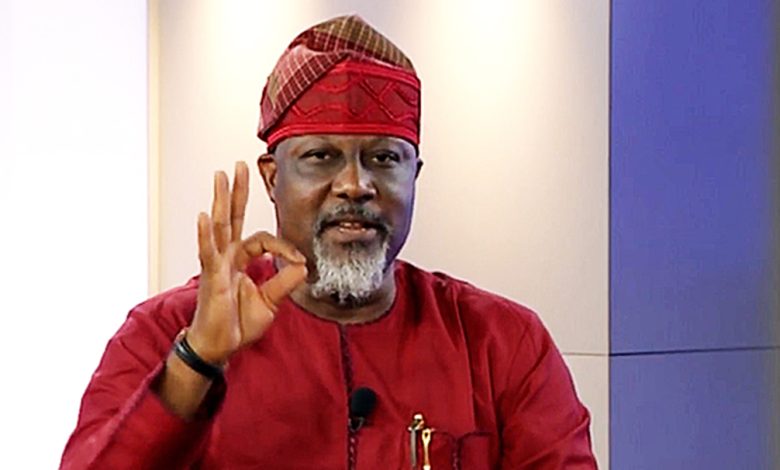
Supporters of the ADC, led by former Kogi West senator Dino Melaye, marched through parts of the Federal Capital Territory, demanding a reversal of decisions taken by the Independent National Electoral Commission (INEC) regarding the party’s leadership structure.
In a video shared on X, Melaye confirmed the continuation of the protest, simply stating: “Day 4 of our protest.” The demonstration follows an earlier rally at INEC headquarters, where senior party figures accused the commission of political bias.
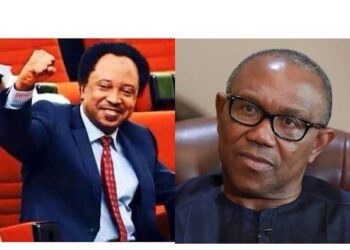
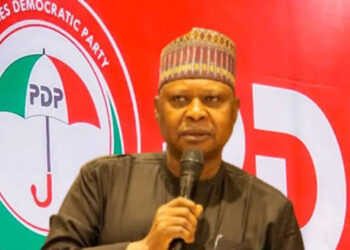
Among those previously involved in the protest are Atiku Abubakar, Peter Obi, Rotimi Amaechi, David Mark, and Rauf Aregbesola. Their presence has elevated what might otherwise have been an internal party dispute into a high-profile political contest.
Dispute over leadership recognition
At the centre of the crisis is INEC’s alleged refusal to recognise the current leadership of the ADC — a move the party insists undermines its legitimacy and ability to function effectively.
Party leaders have gone further, accusing the commission of partisanship and aligning with the ruling government under Bola Tinubu. They have also called for the resignation of INEC chairman Joash Amupitan, alleging he is acting in the interest of the All Progressives Congress (APC).
INEC has not publicly responded in detail to these specific allegations as of the time of reporting, leaving gaps in the public understanding of the legal and administrative basis for its actions.
Why this matters now
The dispute comes at a sensitive moment for Nigeria’s democratic institutions. Public confidence in electoral processes remains fragile following the contentious 2023 general elections, and any perception of bias by the electoral commission risks deepening political divisions.
For ordinary citizens, the implications go beyond party politics. INEC’s role in recognising party leadership directly affects candidate eligibility, ballot access, and ultimately the choices available to voters. A prolonged dispute could disrupt party primaries, complicate preparations for future elections, and trigger legal battles that strain the judiciary.
A familiar pattern in Nigerian politics
Internal party crises spilling into public protests are not new in Nigeria. Over the years, leadership tussles within parties have frequently required intervention by INEC and the courts, often exposing ambiguities in party constitutions and electoral regulations.
However, what sets the ADC situation apart is the coalition of high-profile political figures rallying behind the protest. Many of them, including Atiku Abubakar and Peter Obi, were central players in the last presidential election cycle, suggesting that the dispute may also reflect broader opposition realignments ahead of future contests.
What is known — and what is not
It is confirmed that ADC members have sustained protests for four days and that senior political figures have publicly accused INEC of bias. What remains unclear is the precise legal justification for INEC’s decision on ADC leadership, and whether the matter is already before a court or headed there.
There is also no official indication yet of whether the electoral body is open to dialogue or review of its position.
What to watch next
Attention will likely shift to three fronts in the coming days: whether INEC issues a formal response, whether the ADC escalates its protests or seeks judicial intervention, and whether this dispute triggers wider opposition coordination.
For now, the protests signal more than internal party unrest — they point to an unresolved tension at the heart of Nigeria’s electoral system, one that could shape political alignments well before the next election cycle.