








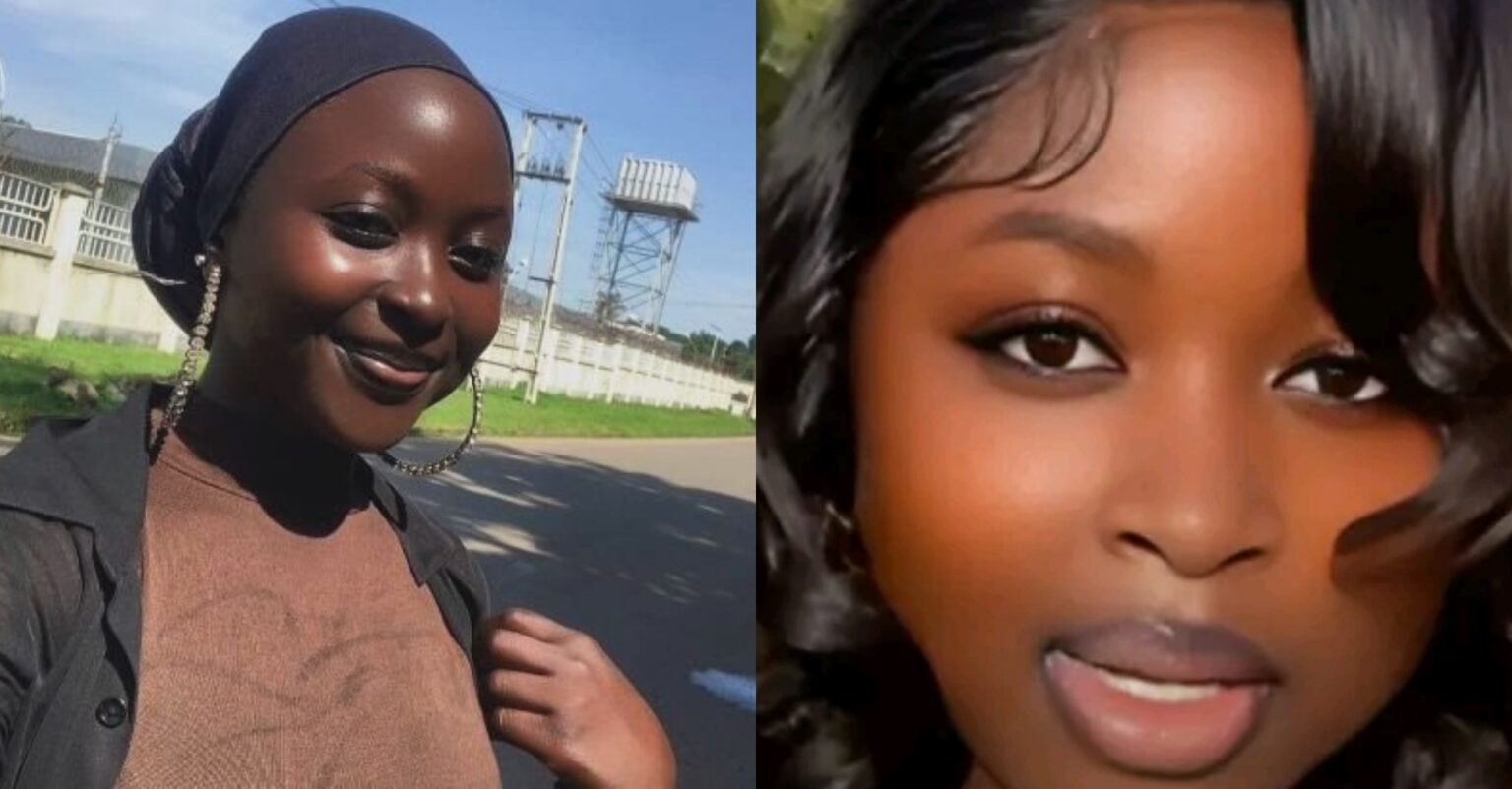
 A viral social media post has ignited a heated conversation about body image, class, and economic pressure in Nigeria, after a user claimed that daughters of billionaires do not undergo cosmetic procedures like Brazilian Butt Lift (BBL) surgery — drawing a controversial link between surgery and financial status.
The post, shared on X (formerly Twitter) by user @its-taser, criticised reality TV personality Phyna, who recently underwent a BBL procedure. In the tweet, the user asserted that wealthy women avoid such surgeries, concluding that “only broke women” opt for body enhancement because they see their bodies as a source of income.
The comment quickly gained traction, amassing over 130,000 views and triggering a wave of reactions that reflect deeper societal tensions around gender, wealth, and self-worth.
A social media flashpoint
The claim — sweeping and unverified — resonated with some users while drawing criticism from others who viewed it as reductive and dismissive of women’s autonomy. Several respondents appeared to reinforce the original argument, linking cosmetic surgery to economic survival.
One user, Omoye, suggested that women who depend on physical appearance for income must invest in it to remain competitive. Another commenter, Tjay Bliss, framed the issue as a matter of priorities, arguing that wealthy individuals are less concerned with public perception. Others echoed the sentiment that body enhancement is tied to monetisation rather than personal choice.
However, dissenting voices — though less amplified in the thread — questioned the premise altogether, noting that cosmetic surgery cuts across class lines globally and is not exclusive to any economic group.
What is known — and what is not
There is no publicly available data to support the claim that daughters of billionaires categorically avoid cosmetic surgery. In fact, internationally, cosmetic procedures are often associated with affluence due to their high cost. The assertion appears to be based on personal observation rather than verifiable evidence.
Similarly, while Phyna has openly discussed aspects of her personal life in the past, details surrounding her reported procedure remain largely within the realm of social media discourse, not official confirmation.
The deeper conversation: body image and economic pressure
Beyond the viral tweet, the debate touches on a more complex reality in Nigeria’s urban centres, where beauty standards are increasingly shaped by social media visibility and economic aspiration.
For some women, especially those in influencer, entertainment, or nightlife industries, physical appearance can directly impact earning potential. This has contributed to the rising visibility of cosmetic enhancements, including BBL procedures, despite the financial and medical risks involved.
At the same time, framing such decisions purely as economic desperation risks oversimplifying a deeply personal choice. Women pursue cosmetic procedures for a range of reasons — from self-esteem to social pressure — and not all are tied to income generation.
Why this matters now
The intensity of the reaction highlights how conversations about women’s bodies in Nigeria often intersect with class judgment and moral scrutiny. Social media platforms like X have amplified these debates, turning individual opinions into nationwide talking points within hours.
More importantly, such narratives can reinforce harmful stereotypes — particularly the idea that a woman’s worth, choices, or financial status can be inferred from her appearance.
What to watch next
As the conversation continues to evolve online, attention may shift toward broader questions: the regulation of cosmetic procedures in Nigeria, the role of influencers in shaping beauty standards, and the societal pressures driving demand.
For now, the viral post serves less as a factual claim and more as a mirror reflecting Nigeria’s ongoing struggle with class identity, gender expectations, and the economics of appearance in the digital age.