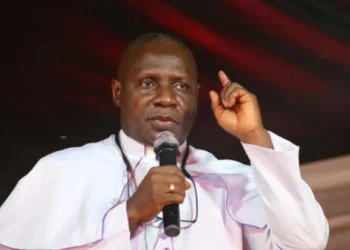










The Nigerian Army has renewed its appeal to young people in the South-East to participate more actively in its recruitment exercises, raising concerns that the region’s consistently low enlistment numbers could deepen perceptions of underrepresentation in the military.
The call was made on Thursday in Umuahia, Abia State, during the maiden edition of an awareness campaign organised by the Army’s Department of Civil-Military Affairs. The programme brought together youths, traditional rulers and civil society representatives in what officials described as an effort to address long-standing distrust and misinformation about military service among communities in the region.
Retired Major General Gold Chibuisi, who delivered the keynote lecture at the event, urged South-East youths to reconsider their reluctance to join the armed forces. According to him, the military offers diverse professional pathways beyond combat roles, including opportunities in medicine, engineering, law and other specialised fields.
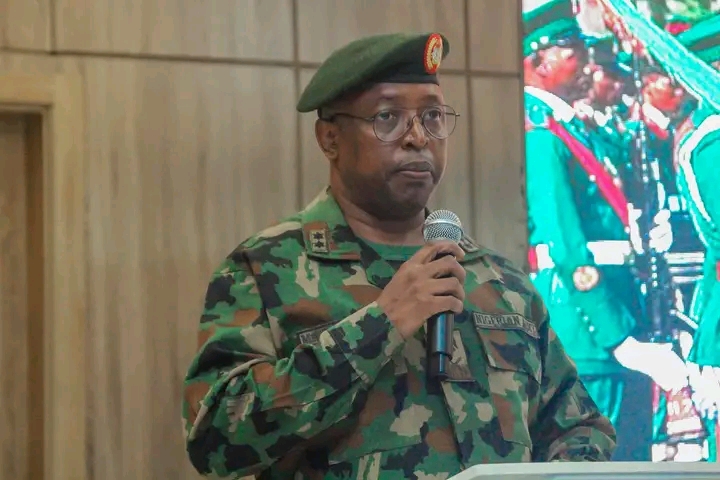
He also pushed back against a common narrative in the region that Igbo soldiers are unfairly deployed to the most dangerous theatres of operation.
“There is no deliberate policy that sends soldiers from any particular region to the frontlines,” Chibuisi told participants, assuring that personnel from the South-East enjoy equal welfare provisions, promotion opportunities and career advancement in the Army.
Recruitment numbers raise concern
Retired Major General Chukwunedum Abraham disclosed that recent recruitment statistics show significantly lower participation from South-East states compared with other geopolitical zones.
According to him, Imo State recorded 671 applicants during the last recruitment exercise, while Ebonyi State had only 428 applicants.
Although he did not provide comparative figures from other regions, Abraham described the numbers as “far below expectations” given the population and youth demographic in the South-East.
Military officials at the event argued that such low turnout could ultimately affect the region’s representation within the armed forces over time.
Effort to rebuild trust
Chief of Civil-Military Affairs, Major General Musa Awwal Etsu-Ndagi, said the awareness campaign was designed to bridge the information gap between the Army and local communities.
He explained that many young people in the South-East rely on rumours and social media narratives about the military rather than verified information.
“The aim is to engage directly with communities, explain the opportunities available and correct misconceptions about the Nigerian Army,” Etsu-Ndagi said.
The campaign, according to him, will be expanded to other states in the region.
Historical context behind the hesitation
Reluctance toward military service in parts of the South-East is often linked to historical and political sensitivities dating back to Nigeria’s civil war between 1967 and 1970. Although more than five decades have passed, memories of the conflict and periodic tensions between federal security forces and pro-Biafra groups have contributed to mistrust in some communities.
Security operations in the region in recent years—particularly clashes involving separatist groups and enforcement actions by federal forces—have also complicated perceptions of the military among some residents.
Analysts say these dynamics partly explain why recruitment campaigns in the South-East often attract fewer applicants than in northern and central states, where military service is traditionally viewed as a stable career path.
State government backs recruitment push
Abia State Governor Alex Otti, who also addressed the gathering, echoed the Army’s concerns about low enlistment figures.
Otti said the state had repeatedly recorded poor participation during recruitment exercises and urged young people to reconsider military service as a viable career.
He expressed hope that the awareness programme would help change perceptions and encourage more youths from Abia and neighbouring states to apply.
Why the issue matters
Beyond employment opportunities, recruitment trends have broader implications for national cohesion and representation in Nigeria’s security institutions.
Military experts say that when certain regions consistently record low enlistment rates, it can gradually reduce their presence in the officer corps and command structure. Over time, this may reinforce perceptions—whether accurate or not—of regional imbalance within the armed forces.
For young Nigerians facing rising unemployment, the Army’s recruitment drive also highlights the military as one of the few federal institutions still offering structured career progression, technical training and relatively stable income.
What to look out for
The Nigerian Army is expected to continue its outreach efforts in the South-East as preparations begin for upcoming recruitment exercises.
Officials say engagement with community leaders, traditional institutions and youth groups will be key to improving participation.
Whether the campaign succeeds will likely depend on more than public messaging. Analysts note that rebuilding trust between communities and security institutions—particularly in regions with historical grievances—often requires sustained engagement and transparency over time.