









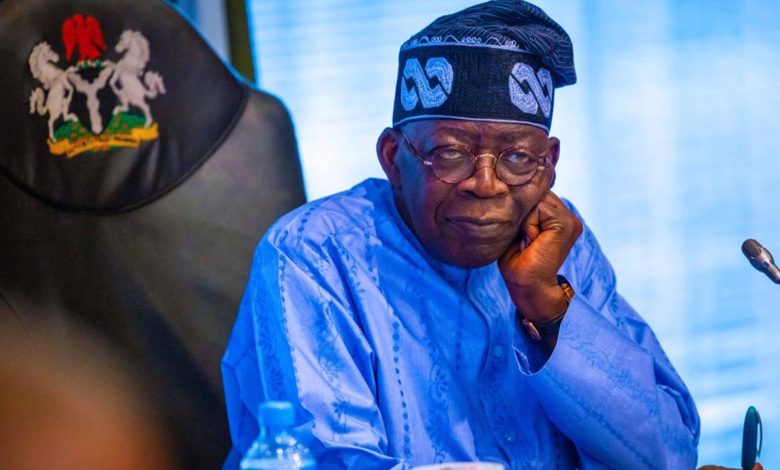
 Nigeria’s political temperature may still appear moderate, but comments from senior government officials are already hinting at an early contest over 2027. On Sunday, Aviation Minister Festus Keyamo offered a forceful defence of President Bola Ahmed Tinubu, portraying him as a strategist who understands and anticipates opposition moves well in advance.
In a social media post, Keyamo argued that Tinubu’s long political history — particularly his years operating from the opposition — gives him an edge that current rivals may struggle to counter. The minister’s remarks, while not tied to any immediate electoral event, reflect a growing narrative within the administration that positions Tinubu as politically unassailable ahead of the next general election cycle.
Framing Tinubu as a political tactician
Keyamo’s central claim is rooted in Tinubu’s evolution from opposition figure to president — a trajectory he described as proof of strategic depth. He referenced the period when Tinubu stood as the only opposition governor in the South-West after the 2007 elections, arguing that the president not only survived political isolation but ultimately “flipped the script” on the then-dominant Peoples Democratic Party (PDP).
According to Keyamo, the implication is that today’s opposition is drawing from a playbook originally shaped by Tinubu himself. “He knows and understands every single step against him before they even conceive it,” he said, adding that defeating the president politically would be a “herculean task.”
While the statement is clearly partisan, it signals how members of the current administration intend to frame Tinubu’s leadership — not just in governance terms, but as a continuation of a long-running political contest in which he remains central.
Why this matters now
Although Nigeria is still several years away from the 2027 elections, political alignments often begin early. Keyamo’s comments suggest that the ruling camp is already shifting from governance messaging to political consolidation, particularly at a time when economic pressures and public dissatisfaction could reshape voter sentiment.
For ordinary Nigerians, the concern is less about political chessmanship and more about whether governance priorities risk being overshadowed by early campaign positioning. Inflation, currency instability, and security challenges remain pressing issues, and any perception that political actors are focused on future elections rather than present conditions could deepen public frustration.
Historical context: Tinubu’s opposition years
Tinubu’s political identity has long been tied to opposition politics. As governor of Lagos State from 1999 to 2007, he emerged as a key figure resisting the dominance of the PDP at the federal level. After leaving office, he played a central role in coalition-building that eventually led to the formation of the All Progressives Congress (APC) and its historic victory in 2015.
That background has become a recurring theme among his allies, who argue that Tinubu’s experience navigating hostile political environments makes him unusually equipped to counter opposition tactics.
However, critics often note that the dynamics of incumbency differ significantly from those of opposition politics — a distinction that may shape how the coming political cycle unfolds.
What is known — and what is not
Key facts are limited to Keyamo’s public statement and its framing of the president’s political strengths. There is no official response yet from opposition parties, nor has the presidency issued a formal statement expanding on the minister’s claims.
It is also unclear whether these remarks reflect a coordinated communication strategy within the administration or are simply the minister’s personal political position.
What to watch
The immediate test will be how opposition parties respond — whether by challenging the narrative of Tinubu’s political dominance or by recalibrating their own strategies. Equally important is whether similar rhetoric begins to emerge from other senior officials, which could signal a broader shift toward early campaign messaging.
For now, Keyamo’s comments offer a glimpse into how the battle for 2027 may be framed: not just as a contest of policies, but as a test of political experience, strategy, and control of the national narrative.