










 Nigeria’s persistent security failures in the Middle Belt have come under renewed scrutiny after Amnesty International accused the federal government of once again failing to protect vulnerable communities in Benue State, following a deadly Easter Sunday attack.
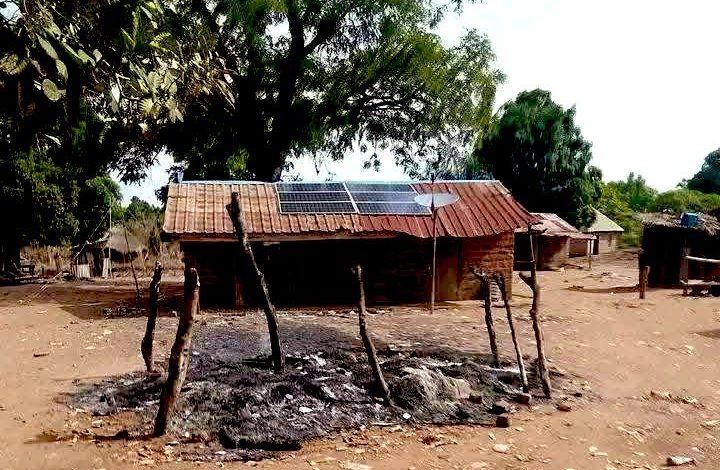
Gunmen stormed Mbalom community in Gwer East Local Government Area during religious celebrations, killing at least 17 people and injuring dozens more. Witness accounts cited by the organisation suggest the attackers also razed homes and shops, leaving families displaced and scrambling to locate missing relatives.
In a statement issued Sunday night, Amnesty International described the incident as part of a recurring pattern of violence that authorities have been unable—or unwilling—to halt. “The Nigerian authorities have failed the people of Benue state again and again,” the group said, pointing to what it called systemic lapses in protecting lives and property.
A Familiar Pattern of Violence
The attack in Mbalom is not an isolated घटना. Benue, often referred to as Nigeria’s “food basket,” has for years been a flashpoint for violent clashes, frequently linked to disputes between farming communities and armed groups, including suspected herders. These conflicts have evolved in recent years, with increasing reports of heavily armed bandits carrying out coordinated village raids.
Despite repeated assurances from federal and state authorities, residents say response times remain slow, and security presence thin in rural areas. Amnesty International estimates that more than 500,000 people have been displaced across the state, many living in overcrowded camps with limited access to clean water, food, and healthcare.
Humanitarian Strain Deepens
The scale of displacement is stretching already limited local resources. Camps for internally displaced persons (IDPs) in Benue have become semi-permanent settlements, with humanitarian agencies warning of deteriorating conditions. Amnesty International noted that many displaced families are “languishing in squalid camps,” underscoring a widening gap between emergency response and long-term recovery planning.
For ordinary residents, the consequences are immediate and severe: loss of livelihoods, disruption of farming cycles, and growing food insecurity. In a state that plays a critical role in Nigeria’s agricultural output, continued instability could have ripple effects beyond the region, potentially affecting food prices and supply chains nationwide.
Rights and Security Concerns
Amnesty International framed the crisis not only as a security failure but also as a human rights issue. The organisation argued that repeated attacks have eroded fundamental rights, including the right to life, freedom of movement, and access to livelihoods.
While Nigerian authorities have yet to issue a detailed response to this specific incident, officials have in the past cited ongoing military operations and resource constraints as challenges in addressing rural insecurity. However, critics argue that the persistence of such attacks points to deeper structural issues, including intelligence gaps and lack of accountability.
What Happens Next
In the immediate term, attention is likely to focus on whether security agencies can apprehend those responsible for the Mbalom attack. Historically, few perpetrators of such rural violence have been successfully prosecuted, a factor analysts say contributes to a cycle of impunity.
Longer term, pressure is expected to mount on both federal and state governments to rethink their approach to security in the Middle Belt—shifting from reactive deployments to preventive strategies rooted in intelligence, community engagement, and conflict resolution.
For now, what is clear is that communities in Benue remain exposed. As families bury their dead and search for the missing, the broader question persists: how many more attacks will it take before meaningful protection reaches Nigeria’s most vulnerable rural populations?