









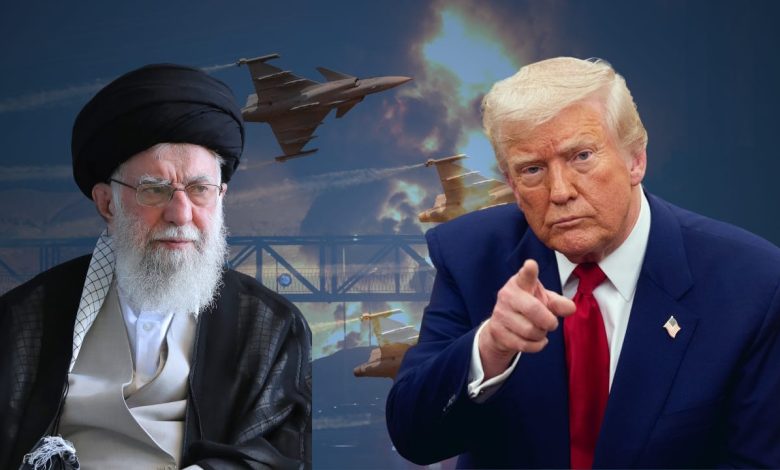
 Iran has announced a temporary reopening of the Strait of Hormuz alongside a two-week ceasefire with the United States, a move that signals a pause—rather than an end—to one of the most dangerous escalations in the Middle East in recent years.
The announcement, made late Tuesday by Iran’s Foreign Minister, Abbas Araghchi, allows limited and coordinated passage through the narrow waterway, a critical artery for global oil shipments. The decision comes amid mounting international pressure to prevent further disruption to energy markets and avoid a broader regional conflict.
“For a period of two weeks, safe passage… will be possible via coordination with Iran’s Armed Forces,” Araghchi said, while emphasising that Iran’s military pause is conditional on a halt to attacks against the country.
A Strategic Chokepoint Reopens
The Strait of Hormuz handles roughly a fifth of the world’s oil trade. Any disruption typically sends shockwaves through global markets, raising fuel prices and intensifying economic uncertainty—effects that are often felt in import-dependent countries like Nigeria through higher petrol costs and inflationary pressure.
While the reopening reduces immediate fears of supply shocks, Iran’s insistence on “controlled conditions” underscores its continued leverage over the route. Analysts say the arrangement effectively turns the strait into a negotiated corridor rather than a fully open international passage.
Ceasefire Built on Conditions
The ceasefire, confirmed by U.S. President Donald Trump, follows backchannel diplomacy involving Pakistan’s leadership. Trump stated that Washington would suspend military operations for two weeks, contingent on Iran ensuring safe navigation through the strait.
“If attacks against Iran are halted, our powerful armed forces will cease their defensive operations,” Araghchi said, framing the pause as reciprocal rather than unilateral.
However, Iran’s Supreme National Security Council cautioned against interpreting the development as a breakthrough. In a statement, it stressed that “this does not mean the end of the war,” adding that any lasting resolution depends on U.S. acceptance of a broader framework still under negotiation.
Islamabad Talks and a Narrow Diplomatic Window
Attention now shifts to planned talks in Islamabad, where Pakistan has positioned itself as a mediator. Prime Minister Shehbaz Sharif described the ceasefire as a product of “remarkable wisdom,” expressing hope that negotiations would yield “sustainable peace.”
The involvement of Pakistan—traditionally not a central player in Gulf security—highlights the urgency of de-escalation efforts and the willingness of both sides to explore unconventional diplomatic channels.
Iran’s Demands and Sticking Points
Emerging details of Iran’s proposed 10-point plan reveal the depth of the challenges ahead. Tehran is demanding:
- Guarantees against future U.S. attacks
- Retention of control over the Strait of Hormuz
- Continuation of its uranium enrichment programme
- Removal of U.S. sanctions
- Compensation for damages
- Withdrawal of U.S. forces from the region
In return, Iran has reportedly pledged not to pursue nuclear weapons—a claim likely to face scrutiny given longstanding international concerns over its nuclear ambitions.
These conditions suggest that while the ceasefire reduces immediate hostilities, the underlying disputes—particularly around nuclear policy and regional military presence—remain unresolved.
Why This Matters for Nigeria
For Nigeria, the implications are both immediate and indirect. As a major oil exporter but fuel importer, Nigeria is highly sensitive to global oil price volatility. A prolonged disruption in the Gulf could drive up import costs for refined petroleum, worsening domestic fuel prices and straining foreign exchange reserves.
Conversely, stable or rising crude prices may boost government revenues, but without domestic refining capacity improvements, ordinary Nigerians are unlikely to feel the benefit quickly.
What Happens Next
The next two weeks will test whether this ceasefire is a genuine opening for diplomacy or merely a tactical pause. Key indicators to watch include:
- Whether both sides adhere strictly to the ceasefire terms
- Progress—or deadlock—at the Islamabad talks
- Any movement on sanctions or military de-escalation
- Continued access to the Strait of Hormuz without incident
For now, the truce has bought time. Whether it leads to peace or simply delays another round of escalation will depend on negotiations that remain as complex as they are urgent.