










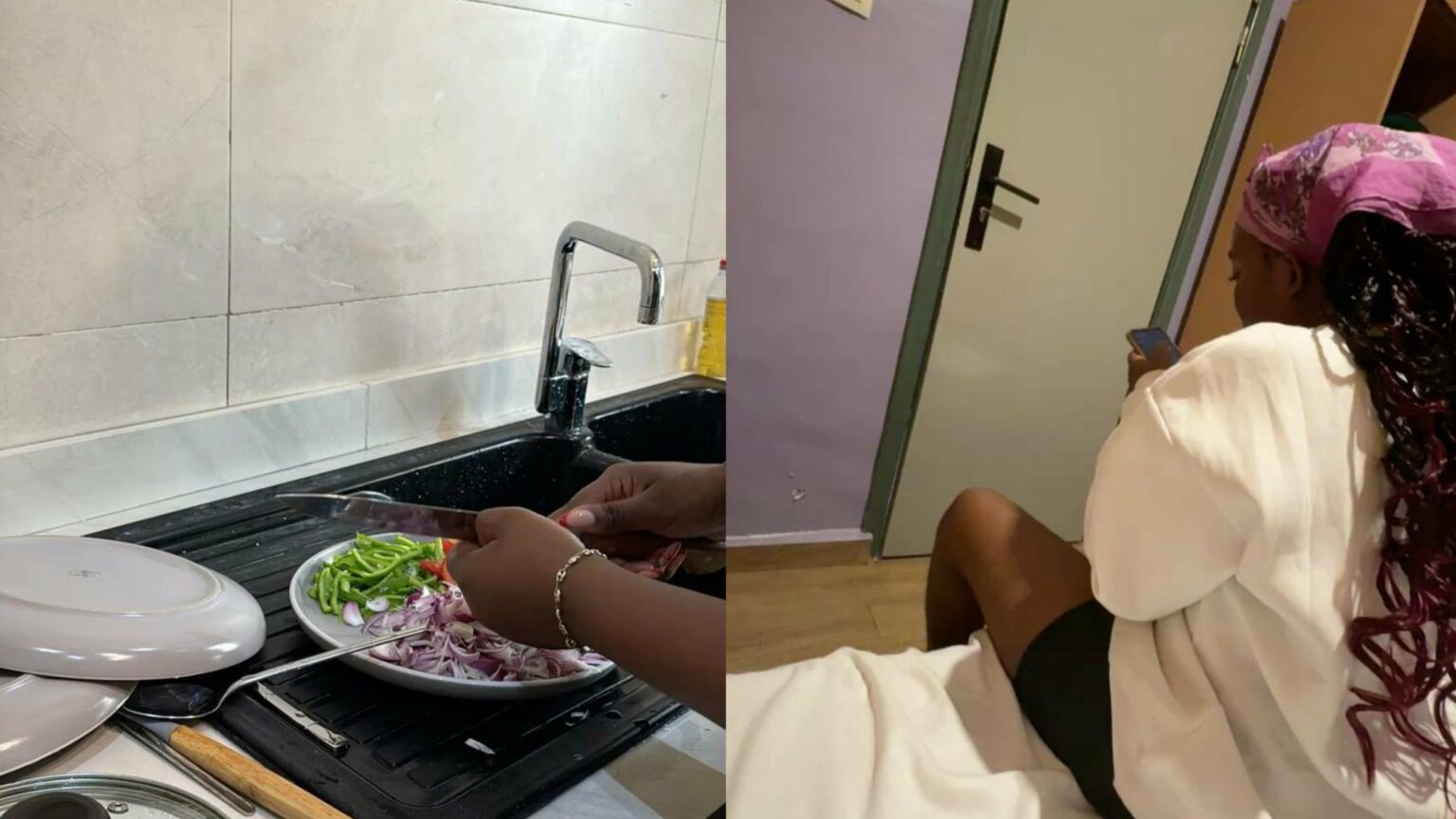
 A viral account by a Nigerian man detailing how he allegedly uncovered his girlfriend’s double life has reignited debate about trust, transparency and the evolving pressures of modern relationships, particularly among young urban Nigerians.
The story, which circulated widely on social media over the weekend, centres on a six-month relationship that, by the man’s telling, appeared stable—until a chance act of suspicion led to a discovery he described as emotionally devastating.
A relationship that seemed stable
According to the man’s account, the relationship had all the outward signs of commitment. He described regular visits, shared routines and what he interpreted as emotional investment.
“Everything felt smooth. We did almost everything together,” he said, adding that the woman frequently cooked for him and even stocked his freezer—gestures that reinforced his sense of stability.
However, he noted a recurring pattern that raised questions: she consistently declined to spend the night. Her explanations—ranging from personal preference to study habits—initially seemed plausible but gradually became a source of unease.
The moment of discovery
The situation came to a head when he decided to follow her after one of her visits. He claimed she stopped at a supermarket and later emerged with another man, with whom she appeared physically affectionate.
It was at that point, he said, that he realised she had been living with the other man throughout their relationship.
“I just went home, sent her a message, warned her never to return, and blocked her,” he recounted.
The woman involved has not publicly responded, and the claims remain one-sided. There is no independent verification of the events described.
Social media reactions and broader concerns
The account has drawn mixed reactions online. While many expressed sympathy, framing the incident as a clear case of deception, others urged caution—pointing to the risks of drawing conclusions from a single narrative and emphasising the need for communication and clarity in relationships.
Some commentators also questioned the decision to follow a partner, raising concerns about boundaries and privacy even in situations of suspicion.
A pattern in Nigeria’s digital relationship culture
Stories of alleged infidelity and “double lives” have become a recurring feature of Nigeria’s social media landscape, particularly since 2023, when several high-profile relationship disputes went viral.
Analysts say these stories resonate because they reflect deeper shifts: the intersection of economic pressure, urban migration, and changing expectations around commitment. In cities like Abuja and Lagos, where young people often juggle work, education and complex social networks, relationships can be both more fluid and more opaque.
At the same time, social media has amplified private conflicts, turning personal grievances into public discourse—and sometimes, public judgment.
What remains unclear
Beyond the man’s account, key details remain unverified. It is not clear whether the woman was in a formal cohabiting relationship with the other man, or how she would characterise the situation.
Such gaps highlight a recurring challenge with viral relationship stories: they often present incomplete narratives that nonetheless shape public opinion.
Why this story matters
For many young Nigerians, the story taps into a broader anxiety about trust in an era of curated identities and fragmented lifestyles. It also raises questions about how relationships are defined—particularly where expectations around exclusivity are not explicitly discussed.
For ordinary people navigating similar situations, the implications are practical: the need for clearer communication, boundary-setting and, in some cases, difficult conversations about commitment.
What to watch next
While this specific case may fade from public attention, the issues it raises are unlikely to disappear. As social media continues to serve as both a confessional space and a court of public opinion, similar accounts will likely emerge—each adding to an ongoing national conversation about love, trust and accountability in contemporary Nigeria.