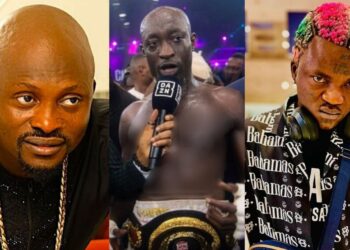
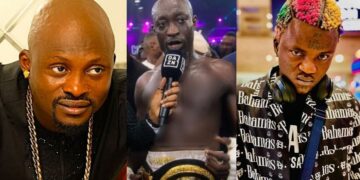






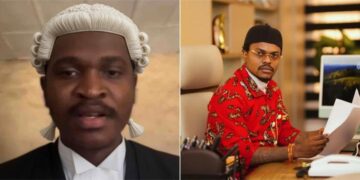


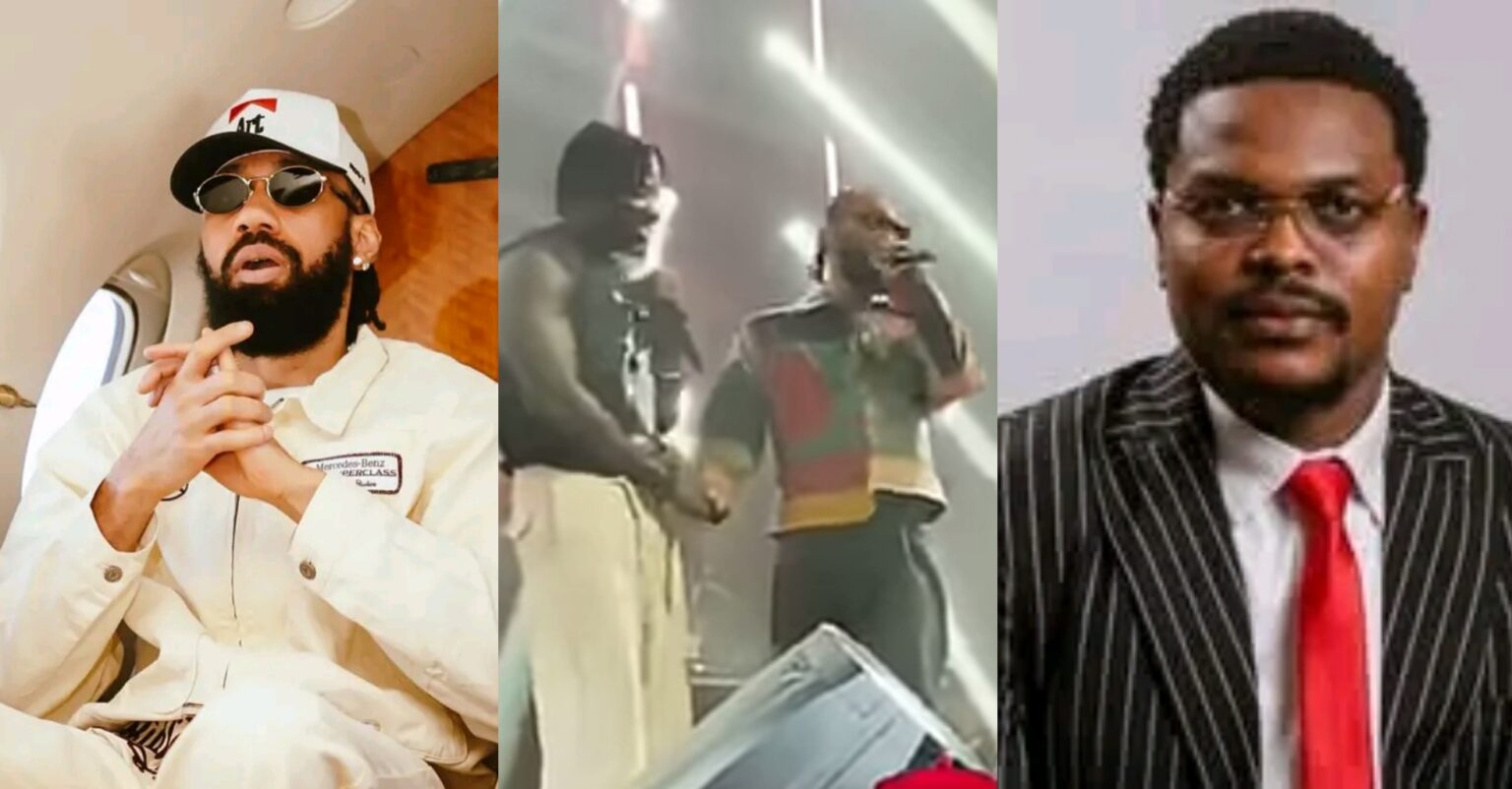
Nigerian rapper Phyno has stepped into a growing legal controversy involving detained tech entrepreneur Blord and social media personality VeryDarkMan, triggering fresh concerns about the intersection of celebrity influence, justice, and public accountability.
Blord was remanded on April 1, 2026, following his arraignment before a Federal High Court in Abuja on charges bordering on criminal conspiracy, impersonation, and the alleged unauthorized use of VeryDarkMan’s identity. The court ordered his detention at the Kuje Correctional Centre for 26 days, with proceedings adjourned until April 27.
A Concert Intervention Goes Viral
The case took an unexpected turn days later during a concert in Enugu, where Phyno publicly appealed to VeryDarkMan to withdraw the case. In a now widely circulated video, the activist—who was present on stage—appeared to receive the request with a smile, though he made no immediate commitment.
Phyno’s intervention has since sparked debate online, with critics questioning whether public figures should weigh in on active criminal proceedings, particularly where serious allegations have been formally filed before a court.
Conditional Withdrawal Raises Ethical Questions
VeryDarkMan has since clarified his position, but not in a way that has settled the controversy. During a livestream conversation with activist Deji Adeyanju, he stated he would withdraw the charges—on one condition: that Blord publicly declare support for President Bola Ahmed Tinubu and the ruling All Progressives Congress (APC).
“If he can go online and say that, I will withdraw the case this night,” he said during the broadcast.
The remark has drawn criticism from legal observers and civil society voices, who argue that tying the withdrawal of a criminal complaint to political allegiance risks undermining the credibility of the justice process.
What Is Known—and What Isn’t
At this stage, the formal charges against Blord remain before the court, and there is no indication that prosecutors have altered their position. It is also unclear whether the case is being driven solely by a private complaint or if state authorities are pursuing independent evidence.
Equally uncertain is whether any behind-the-scenes mediation—reportedly involving Adeyanju—could lead to an out-of-court resolution before the next hearing.
Broader Context: Celebrity Power Meets Legal Process
Nigeria has seen a rising trend of social media personalities influencing public discourse around legal disputes. However, this case stands out for how quickly it has moved from courtroom proceedings to entertainment stages and livestream negotiations.
Legal experts note that while complainants can withdraw certain petitions, criminal charges—especially those involving allegations like impersonation or conspiracy—are typically prosecuted in the name of the state. This means that even if VeryDarkMan withdraws his complaint, the case may not automatically collapse.
Why This Matters Now
For ordinary Nigerians, the episode raises deeper concerns about fairness and consistency in the justice system. If high-profile individuals can negotiate legal outcomes through public appeals or political conditions, it risks eroding trust in institutions already under scrutiny.
The case also underscores the blurred lines between activism, entertainment, and legal accountability in Nigeria’s digital age—where influence can travel faster than due process.
What to Watch
All eyes now turn to April 27, when proceedings resume in Abuja. Key questions remain: Will there be any formal application to withdraw the complaint? Will prosecutors proceed regardless? And will public pressure—from celebrities or online communities—shape what is ultimately a judicial decision?
Until then, the Blord case continues to unfold as more than a legal dispute—it is fast becoming a test of how Nigeria navigates power, influence, and the rule of law in an era of viral intervention.