







![Viral House Party Video Sparks Conversation on Changing Social Norms Among Nigerian Mothers [Watch Video]](https://kumornews.com/wp-content/uploads/2026/02/Viral-House-Party-Video-Sparks-Conversation-on-Changing-Social-Norms-Among-Nigerian-Mothers-Watch-Video-1-360x180.jpg)


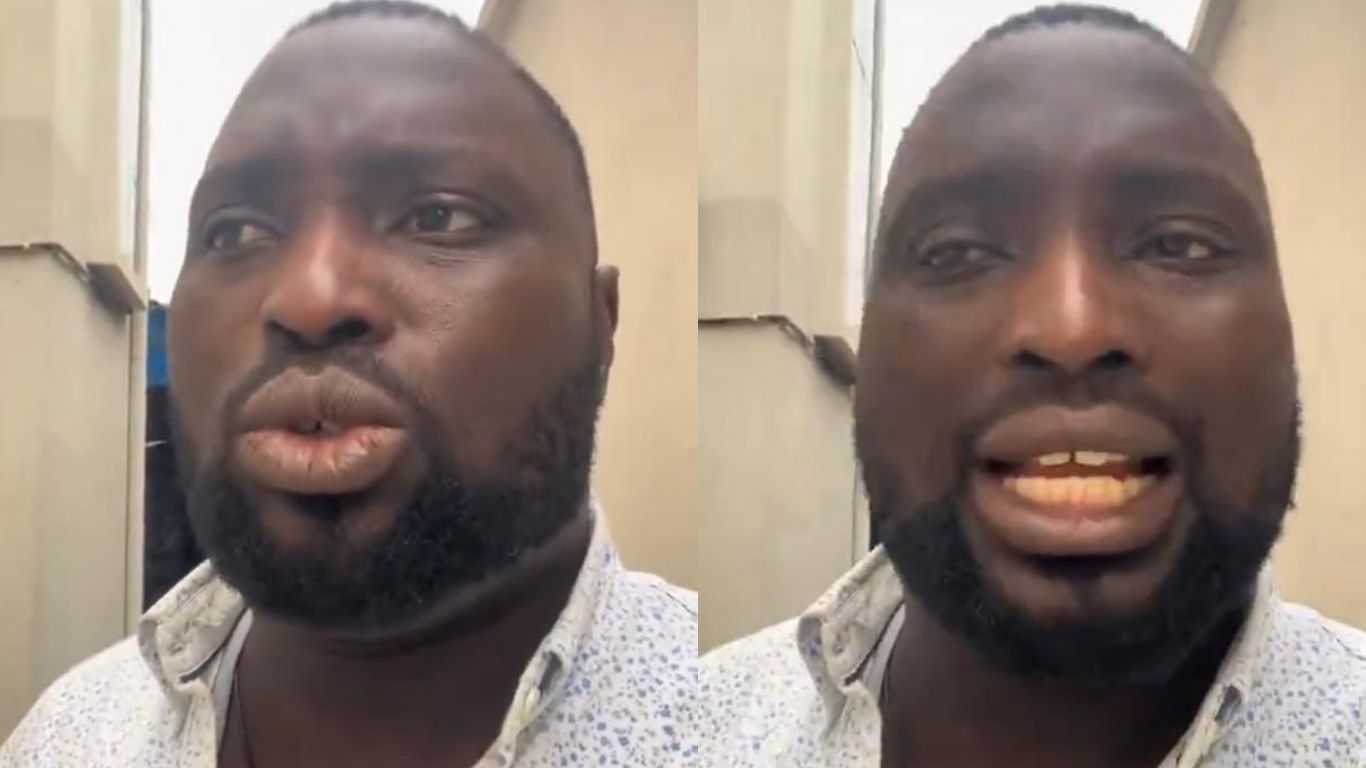
A Nigerian man’s claim that he is being harassed over a loan he did not take has drawn attention to a growing risk in the country’s fast-expanding “buy now, pay later” market: the ease with which personal details can be used to secure credit without clear verification.
In a video circulating on X (formerly Twitter), the man said he began receiving repeated calls from a phone vendor over an outstanding EasyBuy device loan—despite insisting he never purchased a phone through the platform.
“I kept getting calls from a phone vendor about an EasyBuy account. I didn’t understand because I never bought anything,” he said in the clip.
After making inquiries, he claimed the account was registered using his phone number by his ex-wife without his knowledge. He now finds himself fielding collection calls tied to a debt he denies owing.
Allegation of Identity Misuse
According to the man, the discovery has left him dealing with both reputational and emotional strain.
“Only for me to find out that my ex-wife used my number to register for it. Now I’m the one they keep calling,” he said.
He further alleged that the situation may be deliberate, suggesting his ex-wife is aware of his medical condition and intends to cause distress. He said he is hypertensive, though this claim has not been independently verified.
The ex-wife has not publicly responded, and there is no confirmation yet from the vendor or EasyBuy regarding how the account was created or what verification steps were followed.
What Is Known—and What Isn’t
At this stage, the case rests on the man’s account. It is unclear whether the phone number alone was sufficient to register the credit purchase, or whether additional identity checks—such as bank verification numbers (BVN) or national identification numbers (NIN)—were used.
EasyBuy, a device financing service that allows customers to pay in instalments, typically requires some level of identity verification. However, enforcement standards can vary depending on the vendor and onboarding process.
Without a formal complaint or response from the company involved, key details remain unresolved: who authorised the transaction, what documentation was used, and whether there has been a breach of protocol.
A Growing Industry, Emerging Risks
Nigeria’s consumer credit space has expanded rapidly in recent years, driven by fintech platforms offering quick access to phones, electronics and small loans. Services like EasyBuy have become especially popular among young Nigerians and informal sector workers who lack access to traditional bank credit.
But the growth has also exposed gaps in identity protection and dispute resolution. Cases of mistaken identity, recycled phone numbers, and unauthorised registrations are increasingly reported anecdotally, though comprehensive data remains limited.
Consumer protection frameworks—largely overseen by the Federal Competition and Consumer Protection Commission (FCCPC)—require lenders to ensure transparency and fair treatment. In practice, however, enforcement can lag behind innovation, leaving individuals to resolve disputes on their own.
Impact on Ordinary Nigerians
For many, the consequences go beyond nuisance calls. Debt linked to a phone number or identity can affect creditworthiness, access to future loans, and even employment opportunities where background checks are involved.
In this case, the man’s claim of repeated calls highlights another issue: the aggressive nature of some debt recovery practices. While lenders are entitled to pursue repayment, contacting individuals who deny any involvement raises concerns about due diligence and data accuracy.
What Happens Next
The immediate next step for the man would typically involve filing a formal complaint with the vendor and, if unresolved, escalating to regulators such as the FCCPC or the Nigerian Communications Commission (NCC), particularly if harassment via phone calls persists.
Legal experts say disputes of this nature can also be addressed through civil action if identity misuse is proven. However, the cost and complexity of litigation often deter individuals.
Wider Reactions—and a Warning
Online reactions to the video have been mixed, with some expressing sympathy and others questioning how such a mix-up could occur. Beneath the humour and commentary lies a more serious concern: how easily personal data can become a liability.
As Nigeria deepens its reliance on digital finance, incidents like this—whether isolated or systemic—underscore the need for stronger verification systems and clearer accountability when things go wrong.
For now, the case remains unresolved. But it points to a broader reality: in an economy increasingly powered by mobile numbers and digital identities, a simple phone line can carry consequences far beyond a call.