









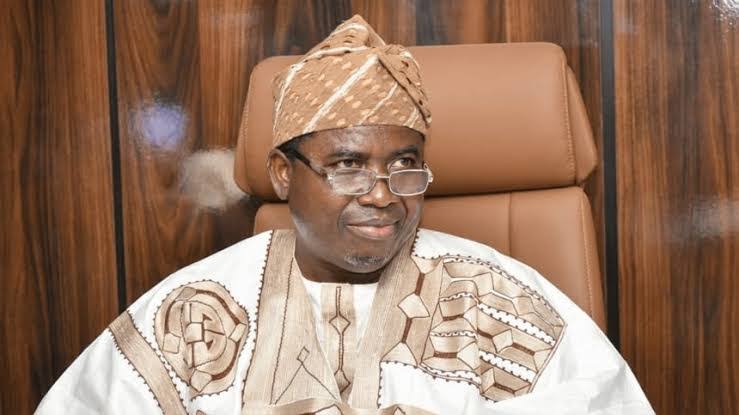
 Fresh scrutiny of Nigeria’s electoral leadership has intensified after a fact-check linked a controversial social media account to the Chairman of the Independent National Electoral Commission (INEC), Prof. Joash Amupitan, triggering calls for his resignation and reopening debate about institutional neutrality in the country’s fragile democratic process.
The controversy stems from an investigation by Daily Trust, which traced activity on an account on 𝕏 (formerly Twitter) alleged to have posted politically suggestive content during the 2023 general elections. The findings, now widely circulated, have drawn reactions from political parties, civil society groups, and election observers concerned about the credibility of the electoral body.
Allegations and digital trail
According to the report, the account — initially operating under the handle @joashamupitan — made posts that appeared sympathetic to the All Progressives Congress (APC) and its presidential candidate, Bola Ahmed Tinubu, during the election period.
Among the posts cited was a March 17, 2023 comment reacting to supporters of Labour Party candidate Peter Obi, which read: “They are evil in the 24th century.” A day later, the same account reportedly replied “Victory is sure” to a message by APC National Youth Leader Dayo Israel. In April, it responded “Asiwaju” to a celebratory post about Tinubu’s reception in Abuja.
Digital analysts referenced in the report pointed to the account’s unique user ID — 1567086242164101120 — as a key identifier. While usernames can be altered, user IDs remain fixed, allowing investigators to track changes over time. The account was reportedly created on September 6, 2022, later renamed @Sundayvibe00 on April 10, 2026, locked, and subsequently labelled a “Parody Account.”
What remains unconfirmed, however, is whether Prof. Amupitan directly operated the account, authorised its use, or was impersonated. As of the time of reporting, there has been no detailed public response from the INEC chairman addressing the specific claims.
Why neutrality matters
The allegations strike at the core of public trust in INEC, an institution already under intense scrutiny following the disputed 2023 elections. For critics, even the perception of bias at the highest level of the commission could erode confidence in future polls.
Nigeria’s electoral framework places enormous responsibility on INEC leadership to act — and be seen to act — with strict impartiality. Any suggestion of political alignment risks reinforcing long-standing suspicions among voters who question the transparency of election outcomes.
Civil society groups argue that this moment goes beyond the individual involved. It raises broader concerns about digital conduct, accountability, and the evolving role of social media in shaping political narratives — especially when linked, rightly or wrongly, to public officials.
A familiar post-election tension
The controversy also reflects a recurring pattern in Nigeria’s post-election landscape, where disputes over credibility often extend beyond ballot counting to issues of perception and legitimacy.
Since the return to democratic rule in 1999, INEC has faced cycles of reform, criticism, and public scepticism. The 2023 elections, marked by logistical challenges and disputes over result transmission, further tested confidence in the system. This latest episode risks deepening that trust deficit at a time when electoral reforms remain a national priority.
Consequences and next steps
Calls for Prof. Amupitan’s resignation are growing louder, particularly from opposition voices and advocacy groups who argue that restoring confidence requires decisive action. Others, however, caution against premature conclusions without conclusive evidence linking the chairman directly to the account.
The immediate next step is likely to involve formal responses — either from INEC or relevant oversight bodies — clarifying the facts and, if necessary, initiating an independent inquiry. For many observers, transparency in handling the matter will be as important as the outcome itself.
What Nigerians should watch
For ordinary Nigerians, the issue goes beyond elite political disputes. Trust in electoral institutions directly affects voter participation, acceptance of results, and overall political stability.
Whether this controversy leads to institutional reform, leadership changes, or simply fades without resolution will signal how seriously accountability is treated at the highest levels of Nigeria’s democracy.
In the coming days, attention will focus on whether INEC addresses the allegations head-on — or risks allowing uncertainty to further erode public confidence in an already contested electoral system.