









 The killing of a senior military commander and several soldiers in Borno State has drawn fresh concern about the resilience of insurgent attacks in Nigeria’s North-East, with political leaders warning that the loss goes beyond the battlefield.
Senator reacts to death of senior officer
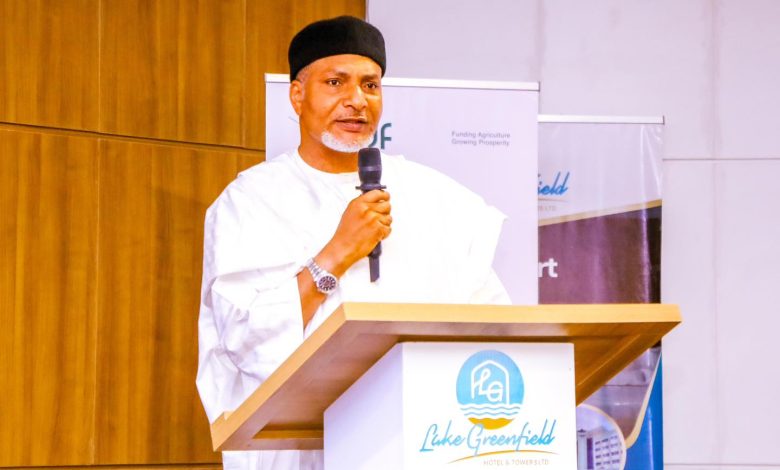
Senator Saliu Mustapha has described the killing of Brigadier-General O. Braimah and other troops as a “huge loss” to the country, following a coordinated assault on a military formation in Benisheikh, Borno State.
In a statement, the lawmaker said he was “deeply saddened” by the attack, which claimed the life of the commander of the 29 Task Force Brigade alongside other soldiers.
“These gallant officers paid the ultimate price in active service while defending Nigeria’s territorial integrity and standing in the gap for peace, unity, and stability,” Mustapha said.
He also commended the troops’ “courage, patriotism, and unwavering dedication,” extending condolences to the Nigerian Armed Forces and the families of the victims.
What is known about the attack
Available information indicates that the attack occurred at a military camp in Benisheikh, a strategic town along the Maiduguri–Damaturu highway that has long been a flashpoint in the insurgency. Brigadier-General Braimah was reportedly leading operations in the area at the time of the हमला.
However, key operational details remain unclear. The military has yet to publicly disclose the number of casualties beyond the senior officer, the identity of the attackers, or whether reinforcements were deployed in time to repel the assault. It is also not confirmed whether the attackers belonged to Boko Haram factions or the Islamic State West Africa Province (ISWAP), both of which operate in the region.
A reminder of a stubborn insurgency
The incident underscores the enduring threat in Borno, more than a decade after Nigeria intensified its campaign against insurgent groups. While the military has recorded territorial gains and degraded several strongholds over the years, attacks on military formations have persisted, often targeting remote or lightly fortified positions.
Benisheikh itself holds symbolic and strategic importance. It was the site of one of the deadliest civilian massacres in 2013 and has since remained a critical corridor for military logistics and civilian movement. Repeated attacks in and around the area highlight the continued vulnerability of supply routes and forward operating bases.
National implications beyond the frontlines
For civilians, especially in Borno and neighbouring states, such incidents reinforce lingering fears about safety despite official assurances of improved security. Military setbacks — particularly the loss of senior commanders — can disrupt operations, affect troop morale, and slow ongoing offensives.
The death of a brigade commander is also operationally significant. Officers at that level coordinate field strategy and intelligence, meaning their loss may temporarily weaken command structures in active theatres.
Political voices and public pressure
Mustapha’s statement reflects a broader pattern of political leaders responding to high-profile security incidents with condolences and calls for resilience. As a member of the ruling All Progressives Congress and a known political figure in Kwara, his intervention signals how security developments in the North-East continue to resonate nationally, beyond immediate conflict zones.
Still, beyond expressions of sympathy, public attention is increasingly shifting toward measurable outcomes — whether such losses lead to tactical reviews, improved equipment for troops, or changes in military strategy.
What to watch next
Attention will now turn to the Nigerian military’s response: whether it launches retaliatory operations, reinforces vulnerable bases, or revises its deployment strategy in the Benisheikh axis.
For many Nigerians, the key question remains whether repeated attacks on military formations — and the loss of experienced officers — will prompt a deeper reassessment of how the insurgency is being fought.
Until then, the deaths of Brigadier-General Braimah and his men stand as a stark reminder that, despite years of conflict, the war in the North-East is far from over.