








 Nigeria’s anti-graft agency has formally stepped into a growing controversy surrounding a high-profile social media personality, after receiving a petition alleging fraud, document forgery and cyberbullying tied to a disputed cancer fundraising campaign.
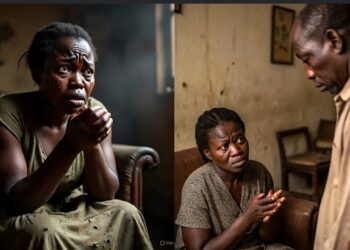
The Economic and Financial Crimes Commission (EFCC) confirmed on Friday that it has received a petition filed against influencer Blessing Okoro Nkiruka, popularly known as Blessing CEO. The complaint was submitted by the family of Deborah Mbara, a cancer survivor, through their lawyers, S.M. Anyanwu & Co. (Chieze Chambers).
Allegations of forgery and diversion of donations
According to the petition dated April 8, 2026, the influencer is accused of manipulating a genuine medical report belonging to Mbara and using it to solicit donations from the public under false claims of Stage 4 cancer.
The family alleges that the altered document was used to raise more than ₦300 million from Nigerians, funds they say were never transferred to the patient whose medical condition formed the basis of the appeal.
“The fraudster used the altered report to defraud innocent Nigerians,” the petition states, describing the act as a deliberate exploitation of public sympathy for financial gain.
Lawyers representing the family further claim that while Mbara was battling her illness, the influencer allegedly received donations into private accounts without remitting any portion to her.
Disputed medical report
Central to the dispute is a medical document said to have originated from Xinus Medical Diagnostics and signed by a consultant pathologist. The facility has since distanced itself from the version circulated online, stating that the original report was issued to Deborah Mbara in May 2025 and later altered without its knowledge.
Mbara, a Delta-based makeup artist, had earlier spoken publicly about how her medical records were allegedly obtained and misused.
Claims of cyberbullying
Beyond financial misconduct, the petition accuses Blessing CEO of cyberbullying Mbara and her family when they began questioning inconsistencies in the fundraising campaign. This aspect of the case, if substantiated, could widen the legal exposure beyond financial crimes into digital harassment offences.
What is confirmed — and what is not
An EFCC source confirmed receipt of the petition, and a stamped copy shows it was officially logged at the commission’s Abuja headquarters on April 8. However, the agency has not announced any arrest, nor has it publicly outlined the next steps in its investigation.
The accused has yet to issue a formal response to the latest petition at the time of filing this report.
Why this case resonates now
The case touches on a sensitive intersection of social media influence, public trust, and medical vulnerability in Nigeria. Online fundraising — often informal and largely unregulated — has become a lifeline for many facing high healthcare costs. But it has also created openings for abuse.
Recent years have seen multiple controversies involving influencers and donation drives, raising concerns about accountability and verification mechanisms in digital charity campaigns.
What happens next
The EFCC is expected to review the petition and determine whether there is sufficient evidence to invite, question, or arrest the accused. Legal experts say potential charges could range from obtaining money under false pretence to forgery and cyber-related offences, depending on findings.
For the Mbara family, the immediate demand is clear: prosecution and restitution. For regulators and the public, the case may become a test of how Nigeria responds to alleged fraud in an era where personal branding can quickly mobilise — and potentially mislead — large audiences.
The outcome could shape future calls for tighter oversight of online fundraising, particularly in cases involving medical emergencies where verification is often difficult but stakes are high.