










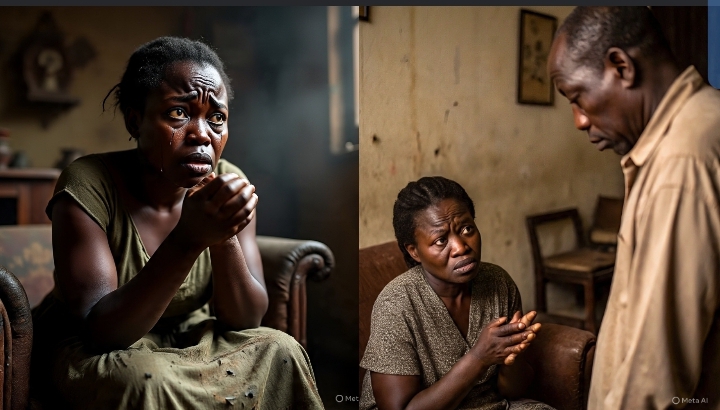
 A viral social media post detailing an alleged demand for sexual favours in exchange for a ₦52 million contract has triggered a broader conversation in Nigeria about ethics in business, marital boundaries, and the abuse of power in informal contracting systems.
The account, shared by a woman on behalf of her friend, claims that an unnamed female decision-maker insisted on sleeping with a married man before approving a lucrative contract. The man, according to the post, disclosed the condition to his wife earlier in the week, leaving the couple grappling with a decision that carries both financial and emotional consequences. A deadline—reportedly set for Friday—has intensified the pressure.
While the identities of those involved remain unverified, the story has resonated widely, in part because it reflects familiar anxieties about how business is conducted in sectors where transparency is weak and personal influence often trumps due process.
A Personal Crisis With Public Echoes
At the centre of the story is a marriage under strain. The wife, as described in the post, is torn between the potential financial relief the contract could bring and the moral cost of accepting such a condition. Her husband’s decision to disclose the demand has itself become a point of debate, exposing differing views on honesty, masculinity, and marital trust.
Online reactions have been sharply divided. Some commenters framed the situation as a clear ethical boundary that should not be crossed, warning that short-term financial gain could inflict long-term damage on the couple’s relationship. Others, however, took a more pragmatic—or controversial—view, suggesting that economic realities sometimes force difficult compromises, even as they stopped short of outright endorsement.
These responses, though informal, mirror deeper societal tensions in Nigeria, where economic hardship and high unemployment have heightened the stakes of securing contracts and opportunities.
Corruption Beyond Cash
Although the allegation centres on a sexual demand rather than a direct financial bribe, analysts say it fits into a broader pattern of transactional corruption. In Nigeria, anti-corruption discourse has traditionally focused on monetary kickbacks, but cases involving coercion, favouritism, and abuse of authority—often harder to prove—are widely believed to be underreported.
In both public and private sectors, procurement processes are frequently criticised for lacking transparency. Small and medium-sized business owners, in particular, often operate in environments where personal relationships and informal negotiations can determine outcomes as much as formal criteria.
If substantiated, the scenario described in the viral post would represent not only a personal ethical breach but also a systemic failure—where access to economic opportunity is contingent on compliance with inappropriate or exploitative demands.
What Is Known—and What Is Not
At this stage, the claims remain unverified. The original post does not identify the individuals involved, the organisation offering the contract, or the sector in question. There is also no independent confirmation that the demand was formally made or that any regulatory body has been notified.
However, the specificity of the account—the contract value, the timeline, and the internal conflict—has contributed to its traction online, where it has been shared and debated across multiple platforms.
Wider Implications for Ordinary Nigerians
For many Nigerians, the story underscores a familiar dilemma: the tension between survival and principle in a difficult economy. With inflation and cost-of-living pressures continuing to erode household incomes, opportunities worth tens of millions of naira are not easily dismissed.
Yet the potential consequences extend beyond one household. If such practices are normalised, they risk entrenching a system where merit, competence, and fairness are sidelined—ultimately discouraging honest participants and weakening trust in both public and private institutions.
What Comes Next
Whether the couple at the centre of the story accepts or rejects the alleged condition remains unknown. What is clearer is that the debate it has sparked is unlikely to fade quickly.
Anti-corruption advocates argue that stronger reporting mechanisms and whistleblower protections are needed to address not just financial misconduct but also coercive practices that exploit power imbalances. Others point to the need for cultural shifts—within workplaces and society at large—that reinforce boundaries and accountability.
For now, the story serves as a flashpoint, highlighting how private decisions can reflect—and amplify—public concerns about integrity, power, and the true cost of opportunity in Nigeria’s current climate.