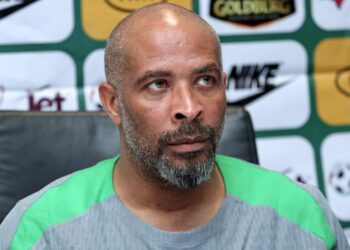










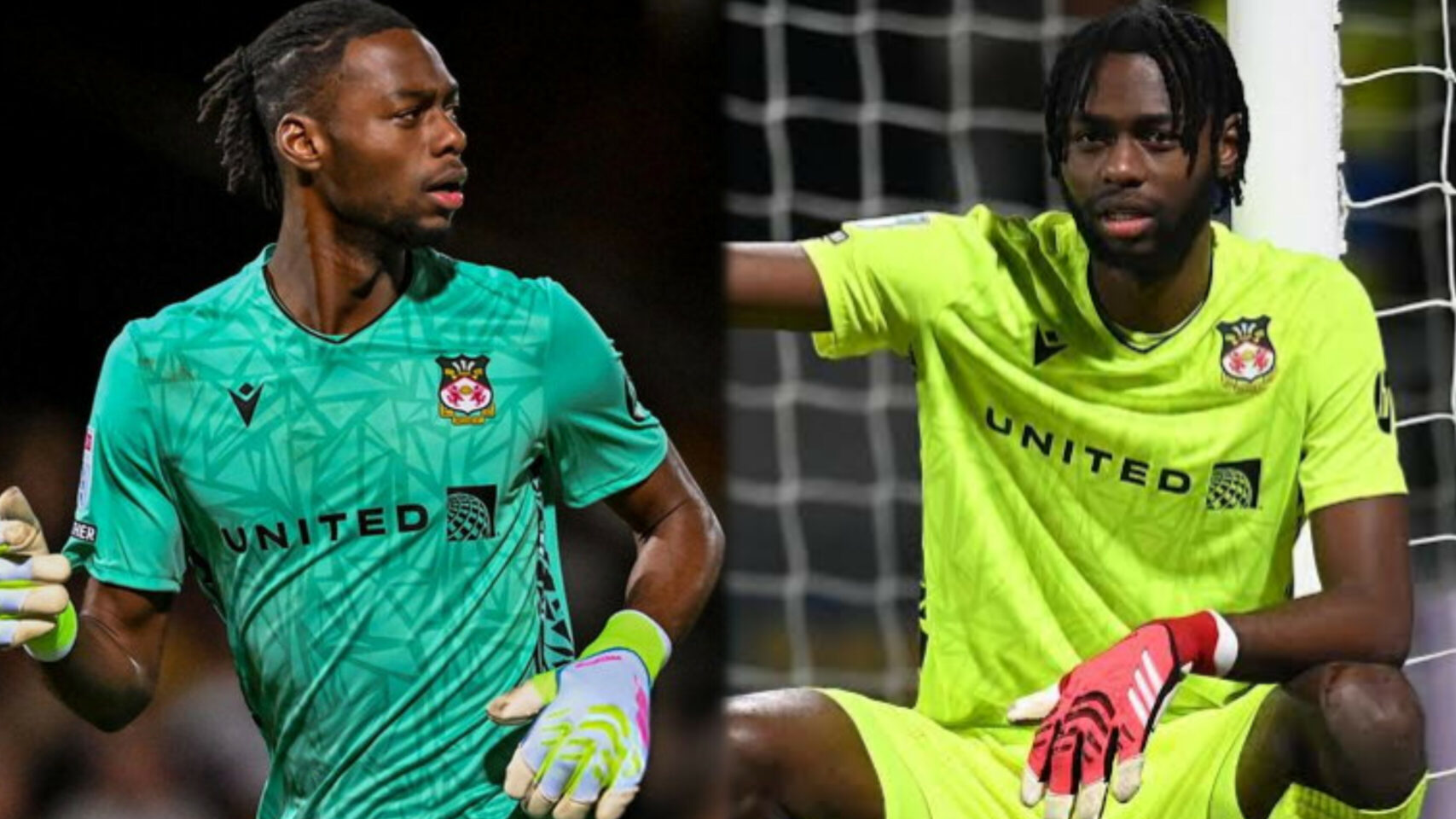
 The excitement around Arthur Okonkwo’s long-awaited clearance to represent Nigeria has been tempered by a familiar warning from within the game: international football offers no guarantees. Former Super Eagles goalkeeper Peterside Idah says the 22-year-old must earn his place the hard way, regardless of his pedigree in England.
Okonkwo, a product of Arsenal’s academy now playing in the English Championship, recently secured FIFA approval to switch allegiance from England to Nigeria after months of uncertainty. His availability comes at a time when the national team is actively refreshing its squad, but Idah’s intervention underscores a deeper reality about Nigeria’s selection culture: reputation travels, but performance decides.
Club form vs national duty
Speaking on the goalkeeper’s prospects, Idah drew a clear distinction between club success and international readiness—an issue that has tripped up many dual-national players in the past.
“Well, he still has to prove himself. Being good for your club is quite different from playing for Nigeria,” Idah said.
His point reflects a recurring pattern in Nigerian football, where players excelling in structured European leagues often struggle to replicate that form under the compressed schedules and tactical fluidity of international fixtures. National team camps are short, expectations are immediate, and mistakes are magnified.
The African football adjustment
Beyond tactics, Idah highlighted a factor often underplayed in public discussions: environment. Moving from European football to African competition involves more than just switching jerseys.
“When you’re in England, the weather is good, the clubs are well organised. But when you come to Africa, the situation is always different,” he noted.
From pitch conditions to travel logistics and fan pressure, the transition can be abrupt. For goalkeepers in particular—whose roles demand concentration and communication—these variables can shape performance in ways not always visible on paper.
A crowded goalkeeping department
Okonkwo’s challenge is further complicated by the depth already present in Nigeria’s goalkeeping pool. First-choice keeper Stanley Nwabali has stabilised the position in recent outings, while Maduka Okoye and Francis Uzoho remain viable options.
In recent years, goalkeeping—once a problem area for Nigeria—has quietly become one of its most competitive departments. That shift raises the bar for newcomers like Okonkwo, who must now displace in-form incumbents rather than fill a vacuum.
What the upcoming friendlies mean
Nigeria’s scheduled June friendlies against Portugal and Poland are expected to offer Okonkwo his first real audition. Such matches often serve as testing grounds for new entrants, but they also come with limited room for error.
For the coaching staff, the decision is less about potential and more about reliability under pressure—especially with competitive fixtures on the horizon.
Why this matters now
Okonkwo’s case reflects a broader trend in Nigerian football: the increasing reliance on diaspora talent to strengthen the national team. While this strategy expands the talent pool, it also intensifies internal competition and raises questions about integration, commitment, and adaptability.
For fans, the message is straightforward but sobering. Eligibility is only the first hurdle. In a team where places are contested and expectations are high, every call-up must be justified on the pitch.
As Idah put it, the equation remains simple: “He just has to keep working hard to earn his place.”
What to watch next
All eyes will be on the June friendlies to see whether Okonkwo is handed minutes—and how he responds if he is. His performance could either fast-track his inclusion in future competitive squads or reinforce the caution voiced by Idah.
For now, the spotlight is not just on a promising goalkeeper, but on whether promise can withstand the unique demands of wearing Nigeria’s colours.