










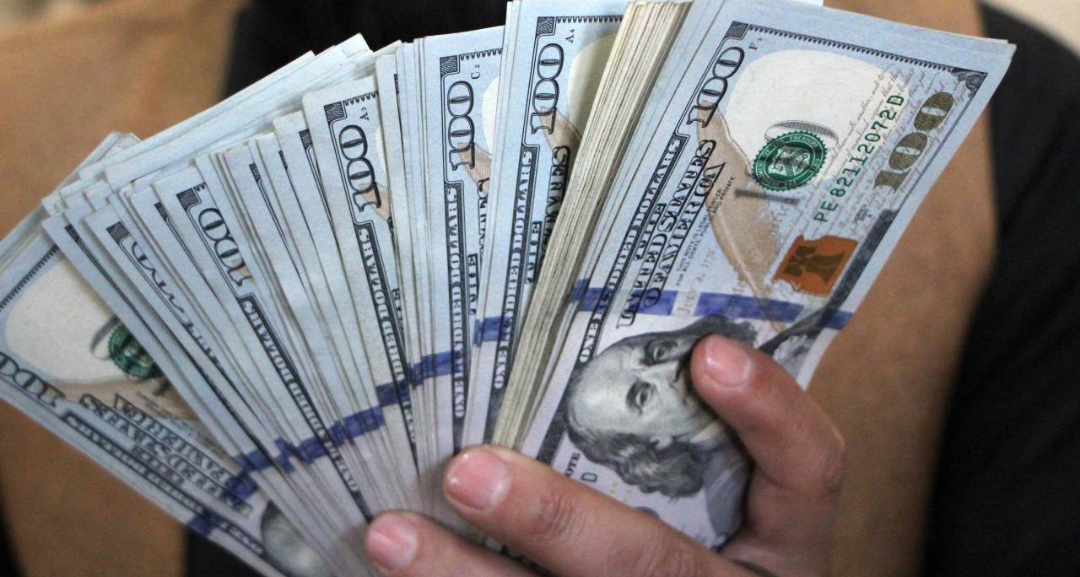
 Nigeria’s foreign exchange market began trading on Wednesday with a modest gain for the Naira, offering a narrow window of optimism in what remains a deeply fragile currency environment. At the official market, the Naira traded at ₦1,382.04 to the dollar, edging up slightly from earlier levels but still reflecting the broader instability that has defined the currency in recent months.
The early movement suggests tentative confidence, yet traders and analysts say the underlying pressures on the currency have not eased in any meaningful way.
Official Window Sees Marginal Improvement
Data from the Nigerian Foreign Exchange Market (NFEM) shows the Naira appreciating slightly from an opening rate of ₦1,383.34. During intra-day trading, the currency briefly weakened to ₦1,383.50 before recovering to its current position.
This movement, while minor, points to incremental improvements in liquidity. Market watchers attribute the shift partly to continued efforts by the Central Bank of Nigeria (CBN) to manage supply and stabilize the market, though no major policy announcement accompanied Wednesday’s opening.
The gain is unlikely to signal a trend reversal. Instead, it reflects the kind of short-term adjustment that has become typical in a market still searching for equilibrium.
Parallel Market Tells a Different Story
Away from the official window, pressure on the Naira remains more pronounced. In the parallel market, Bureau De Change operators in major commercial hubs such as Lagos and Abuja quoted the dollar between ₦1,410 and ₦1,425.
The persistence of this gap—now exceeding ₦30 between official and parallel rates—continues to raise concerns among economists. A widening spread often signals constrained dollar supply in formal channels and pushes more demand into informal markets.
For ordinary Nigerians, this divergence is not abstract. Import-dependent businesses often price goods using parallel market rates, feeding directly into higher costs of food, fuel, and basic commodities. The result is a sustained squeeze on household incomes already under pressure from inflation.
Why the Naira Remains Vulnerable
The Naira’s performance is still closely tied to external and structural factors. Chief among these are global oil price fluctuations—critical for Nigeria’s dollar earnings—and persistent demand for foreign exchange driven by imports, travel, and offshore obligations.
Efforts by the CBN to unify exchange rates and improve transparency have brought some stability compared to the sharp dislocations seen in previous years. However, liquidity constraints and speculative demand continue to test the system.
Historically, Nigeria has struggled with maintaining a stable exchange rate due to its heavy reliance on oil exports and limited non-oil dollar inflows. Previous interventions, including multiple exchange windows and capital controls, created distortions that authorities are still trying to unwind.
What Comes Next
Attention is now shifting to possible policy signals from the Central Bank in the coming days. Market participants are watching for indications of increased dollar supply, further reforms, or adjustments to existing forex frameworks.
Short-term movements will likely remain volatile. Late trading activity and inflows from exporters or foreign investors could still influence where the Naira closes at the end of the session.
For businesses and individuals, the immediate implication is continued uncertainty. Importers may delay decisions or adjust pricing, while travellers and investors face unpredictable costs.
The broader question is whether the modest gains seen at the official window can be sustained—or whether pressure from the parallel market will once again dictate the Naira’s direction.