









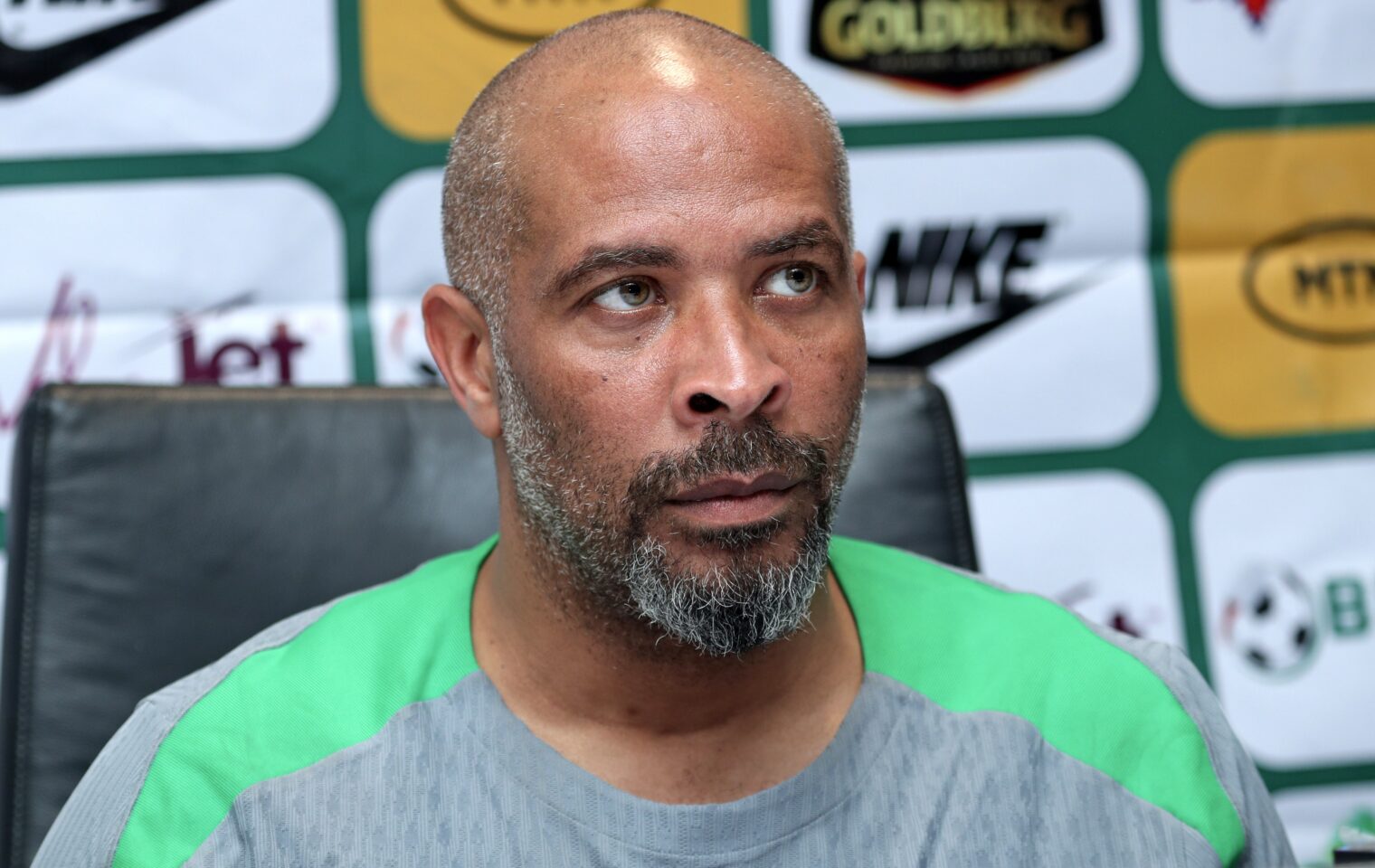
The future of Super Eagles head coach Eric Chelle has been thrown into uncertainty, with the Malian tactician pressing for a contract extension amid stalled negotiations with the Nigeria Football Federation (NFF). The timing of his demand—just months before a crucial federation election—highlights deeper tensions within Nigerian football administration and raises questions about continuity in the national team setup.
Chelle, who guided Nigeria to a third-place finish at the Africa Cup of Nations earlier this year, is understood to have opened talks for a renewed deal shortly after the tournament. But discussions have yet to produce an agreement, leaving his position unresolved as preparations begin for the next international cycle.
Salary Dispute at the Centre
At the heart of the impasse is a disagreement over remuneration. Sources familiar with the negotiations say Chelle, currently earning about $75,000 per month, is pushing for an improved package closer to $130,000.
The request, insiders suggest, is tied not only to his AFCON performance but also to what he views as the long-term demands of rebuilding and stabilising the Super Eagles. The NFF, however, has yet to signal willingness to meet those terms, reflecting ongoing financial constraints that have historically affected the federation’s ability to retain top coaching talent.
For many Nigerians, such disputes are not new. Contract stand-offs between the NFF and national team coaches have become a recurring feature, often disrupting technical planning and, at times, player morale.
Election Politics Add Pressure
Chelle’s urgency is also shaped by uncertainty surrounding the NFF’s leadership. The federation is due to hold its elective congress in September, a process that could reshape its executive structure.
Incumbent president Ibrahim Musa Gusau is reportedly facing a competitive re-election bid. A change in leadership could trigger a review of existing technical appointments, a common practice in Nigerian football administration.
For Chelle, securing a new contract before the congress appears to be a strategic move—an attempt to insulate his position from potential political shifts within the federation.
Why This Matters
Beyond the immediate contract dispute, the situation underscores a broader issue: the lack of long-term planning in Nigerian football governance. Frequent changes in coaching personnel, often driven by administrative turnover rather than performance, have hindered the Super Eagles’ ability to build sustained success.
For players and fans alike, uncertainty at the top can translate into inconsistency on the pitch. With major qualifiers and international fixtures on the horizon, the absence of clarity over the coaching role could affect squad selection, tactical continuity, and overall team confidence.
What Happens Next
As of now, neither Chelle nor the NFF has publicly confirmed a breakthrough in negotiations. What is clear is that time is becoming a factor. If talks remain deadlocked, the federation may face a difficult choice: meet the coach’s demands, renegotiate terms, or risk entering a new football cycle with instability on the bench.
Observers will also be watching the September congress closely. Its outcome could either reinforce Chelle’s position or reset the federation’s technical direction entirely.
For Nigerian football, the stakes extend beyond one contract. The coming months will test whether the NFF can balance financial realities, administrative politics, and the need for stability in managing one of Africa’s most followed national teams.