










Nigeria is the largest oil producer on the African pump about 1.5 million barrels of crude every single day. We have Africa’s biggest refinery right here in Lagos. And yet, as of April 2026, fuel price in Nigeria has increased more than people in Ethiopia, Egypt, Angola, and Libya combined.
This is just crazy.
In less than 6 weeks, fuel went from ₦875 per litre to over ₦1,400. Transport fares and Food prices jumped. And millions of Nigerians on a ₦70,000 minimum wage are now spending a bigger share of that on just getting to work.
I’m giving a clear breakdown of what happened, why it happened, and what — if anything — is likely to change.
How Much Has Fuel Price Increased Today?
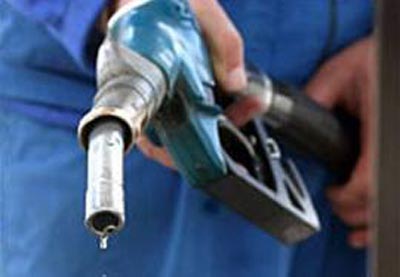
Before February 28, 2026, petrol was selling at around ₦875 per litre. That was already high. Then the Iran-US-Israel war escalated, and within a single month, Dangote Refinery, which is Nigeria’s main domestic fuel supplier, raised its gantry price five separate times.
The progression was as follows: ₦774 → ₦875 → ₦995 → ₦1,175 → ₦1,245 per litre, all within March 2026 alone. NNPCL retail outlets then followed suit, pushing prices at the pump to ₦1,367 per litre in Abuja.
As of late March, pump prices across Nigeria ranged between ₦1,340 and ₦1,470 per litre, depending on state and filling station. That is a 56 to 68 percent increase in under 30 days.
To put that in a global context: Nigeria recorded a 39.5% increase in pump prices between February 23 and March 16 — the highest fuel price increase in the world during that period. South Africa’s increase was 1%. Mexico’s was 0.5%.
The Middle East War Started It
On February 28, 2026, the United States and Israel launched military strikes on Iran. Within days, global crude oil prices surged past $100 per barrel, eventually climbing above $115. But, how did that distant war reached your filling station in Oshodi or Wuse?:
Step 1: The Strait of Hormuz risk. About 20% of the world’s oil flows through the Strait of Hormuz, a narrow waterway between Iran and Oman. The moment war broke out, shipping companies added expensive “war risk” charges to every vessel passing through. Insurance costs alone surged four to five times higher than they were in January, according to analyst Kelvin Emmanuel.
Step 2: Crude prices explode. Brent crude, the global benchmark, rose from around $70 to above $110 per barrel. Nigeria’s 2026 budget was built on an assumption of $64.85 per barrel. The government was already over 70% above that target while its citizens felt the full weight of the spike without the help of subsidy.
Step 3: Dangote prices in naira, but benchmarks in dollars. A lot of people asks about the Dangote Refinery. What you probably don’t know is, even though Dangote Refinery processes Nigerian crude, it prices its products against international fuel and crude benchmarks, factoring in freight and insurance. That means when global prices rise, Nigerian pump prices rise too, regardless of where the crude came from.
So Why Can’t the Dangote Refinery Protect Us?
This is the question you’re possibly asking. We built a 650,000-barrel-per-day refinery — Africa’s largest. It became fully operational in early 2026. So, why is it not shielding us?
The answer has two parts.
Part 1: Nigeria cannot feed its own refinery. Dangote’s MD, David Bird, has stated publicly that the refinery can only source about five crude cargoes per month locally, but needs 13 to 15 to run at full capacity. The rest must be imported at international prices.
Why can’t it get more Nigerian crude? Because NNPC’s joint-venture crude is already tied up in oil-backed loans and pre-export deals with international oil majors, banks, and traders. Analysts estimate that roughly 400,000 barrels per day — out of Nigeria’s 1.5 million bpd — goes straight to paying debts. Even more ironically, Nigerian crude is being sold to Dangote through London and Dubai middlemen at a reported $18 premium above what it should cost.
Part 2: Nigeria has no strategic fuel reserve. When prices spike globally, countries with petroleum reserves can release stock into the market to stabilise prices and buy time. Nigeria has no such reserve, and the government has not yet begun building one. Without it, every global shock hits Nigerians directly and immediately.
Another thing you probably don’t know is, without the Dangote Refinery, analysts estimate petrol could have reached ₦2,500 per litre.
Nigeria Produces Oil. So, Why is fuel price increasing everyday?
This is the most uncomfortable data point in this entire story. According to Global Petrol Prices data, Nigeria’s petrol as of March 30 averaged ₦1,270 per litre ($0.916). Compare that to Ethiopia ($0.842), Niger ($0.875), Egypt ($0.44), Algeria ($0.353), Angola ($0.327), and Libya, which pays the equivalent of just $0.023 per litre.
These are countries that produce far less oil than Nigeria — or none at all. So what is going on?
Deregulation with no cushion. When President Tinubu removed the fuel subsidy in 2023, the government argued it was unsustainable and economically, that argument has merit. But subsidy removal in a deregulated market means fuel prices are now set entirely by market forces. No soft landing for global shocks like the one we see today.
Libya, Egypt, and Algeria still subsidise heavily. Their governments absorb the difference between global market prices and what citizens pay at the pump. Nigeria removed that buffer. So when crude hits $110 per barrel, Nigerians feel every naira of it.
What Has The Increase in Fuel Price Caused Today?
A journey that previously cost ₦200 now costs ₦300 or more in many parts of the country. For a student making that trip twice a day, that is ₦2,000 extra per week out of a family allowance that has not changed.
At the Orange Market in Abuja, a basket of tomatoes that cost between ₦9,000 and ₦10,000 is now selling for up to ₦35,000. A large bag of onions has gone from ₦15,000 to ₦45,000. As fuel price increases everyday, it directly affects the prices of food because of transport.
Nigeria’s minimum wage is ₦70,000 per month. The increase in fuel price has directly removed purchasing power for the millions of Nigerians at or near that level, especially those with no financial buffer to absorb the shock.
Will Fuel Prices Come Down?
Honestly? It depends on the war.
The Crude Oil Refineries Association of Nigeria has said there is little anyone can do until the Middle East crisis abates. Aliko Dangote himself warned that “if the situation does not de-escalate, we will end up paying a heavy price.”
In the short term, the federal government has accelerated the rollout of Compressed Natural Gas (CNG) vehicle conversion kits as a cheaper alternative to petrol. But access to CNG is still limited, and the conversion process takes time and money most Nigerians do not have right now.
Economists are calling for more targeted relief: transport subsidies for the most vulnerable, a strategic petroleum reserve, and a dedicated domestic crude supply to Dangote delinked from international contracts. These are medium-to-long-term fixes. They do not help you today.
What is clear is that until Nigeria decouples its domestic fuel pricing from international benchmarks — or builds real buffers — every global shock will hit Nigerians harder than almost anyone else on the continent.
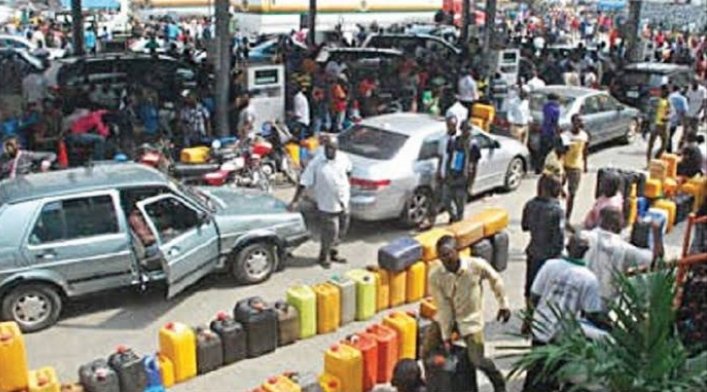
The increase in fuel price is hitting everyone. Nigeria does produce oil, yet the structure of how that oil is financed, sold, and priced means ordinary Nigerians remain fully exposed to every global shock.
A war in the Middle East. A debt-laden NNPC. A refinery that cannot get enough local crude. A deregulated market with no safety net. These are the actual reasons the fuel price in Nigeria might keep increasing.
Stay informed. Follow Kumor News for ongoing coverage of everyday Nigeria news.