







![Viral House Party Video Sparks Conversation on Changing Social Norms Among Nigerian Mothers [Watch Video]](https://kumornews.com/wp-content/uploads/2026/02/Viral-House-Party-Video-Sparks-Conversation-on-Changing-Social-Norms-Among-Nigerian-Mothers-Watch-Video-1-360x180.jpg)


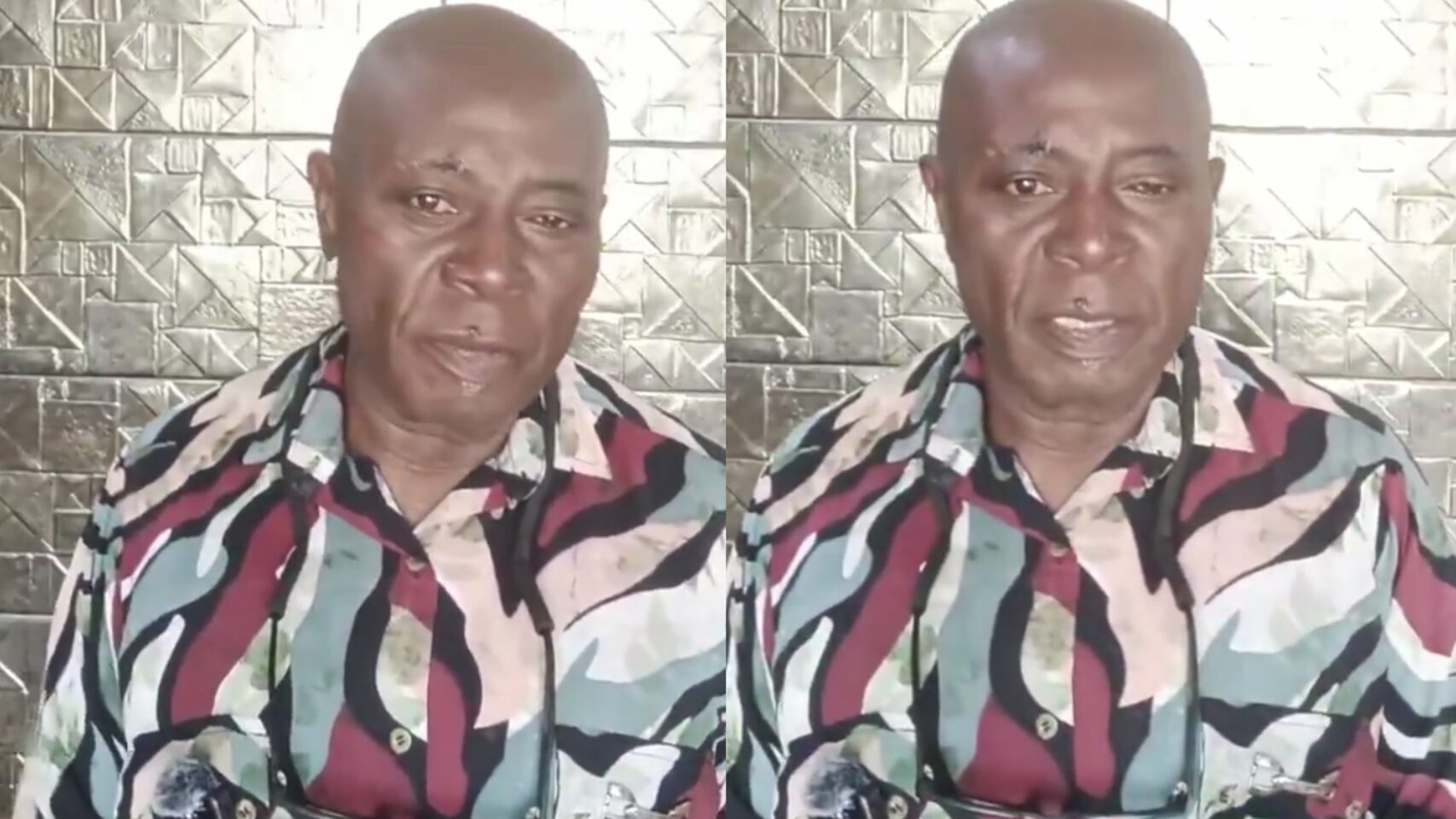
A viral video urging Nigerians to “get yourself a gun” has triggered a fresh wave of anger and unease, reflecting the depth of public frustration over persistent insecurity and what many perceive as a faltering state response.
The speaker, a Nigerian man whose identity has not been independently verified, made the remarks while reacting to recent killings in Plateau State and other parts of the country. In the video, now widely circulated across social media platforms, he accused political leaders and security agencies of failing to protect citizens, arguing that communities are increasingly left to defend themselves.
“Nigerians, go and get yourself a gun… forget any project or investment… just go and get yourselves a very big gun,” he said.
“Your president is no longer interested in securing your lives… many villages are empty… we are on our own.”
Anger Rooted in Recent Violence
The comments come against the backdrop of renewed violence in Plateau State, where attacks in communities such as those around Jos have left dozens dead and displaced many more. Local accounts point to recurring patterns: sudden assaults, delayed security response, and limited arrests.
While federal and state authorities have issued condemnations and pledged action, details of concrete outcomes—such as prosecutions or dismantling of armed groups—remain limited in public reporting. This gap between official assurances and lived experience has continued to erode public confidence.
The viral speaker also criticised the visible conduct of officials during crisis visits, alleging that leaders appear detached from the realities on the ground. These claims have not been independently verified, but they echo a broader sentiment often expressed after mass-casualty incidents.
A Dangerous Proposal
Security analysts warn that calls for widespread civilian armament, even when driven by fear, carry significant risks. Nigeria maintains strict firearms regulations, and unauthorised possession of weapons is illegal. Beyond legality, experts argue that encouraging civilians to arm themselves could deepen cycles of violence, escalate communal conflicts, and complicate already fragile security operations.
Yet the appeal of self-defence narratives is not new. In rural and peri-urban areas where state presence is thin, informal security arrangements—vigilante groups, community watches—have long filled gaps. What is changing is the scale of desperation reflected in calls for lethal self-help.
Longstanding Fault Lines
Nigeria’s security challenges, particularly in the Middle Belt and parts of the North, have evolved over decades. Conflicts often described in religious or ethnic terms are frequently rooted in competition over land, grazing routes, and political representation. In Plateau State, cycles of reprisal attacks have persisted despite military deployments and peace initiatives.
Previous administrations have faced similar criticism following high-profile killings, with public outrage typically peaking after attacks before subsiding without systemic change. The recurrence has contributed to a sense of impunity among perpetrators and helplessness among affected communities.
Impact on Ordinary Nigerians
For residents in vulnerable areas, the consequences are immediate: abandoned villages, disrupted farming cycles, and rising food insecurity. Traders and small business owners face shrinking markets as populations flee. Children are pulled out of school, and healthcare access becomes precarious.
In urban centres, the psychological toll is also evident. Viral content like the recent video amplifies fear, sometimes outpacing verified information and shaping perceptions of risk far beyond the immediate conflict zones.
What Is Known—and What Remains Unclear
It is confirmed that the video exists and has generated widespread reactions online. The identity of the speaker, the full context in which the video was recorded, and the accuracy of specific claims made about officials have not been independently established.
Authorities have yet to issue a direct response to the video, though government officials have, in recent weeks, reiterated commitments to improving security operations in affected states.
What Comes Next
The immediate test for government will be whether recent attacks lead to visible accountability—arrests, prosecutions, and preventive measures—rather than another cycle of condolences without follow-through.
At a policy level, the debate reignited by the video underscores a deeper question: how long can public trust endure when citizens begin to openly consider self-defence outside the law?
For now, the outrage reflects more than a viral moment. It is a signal of a widening gap between state responsibility and citizen confidence—one that, if left unaddressed, could reshape how Nigerians respond to insecurity in the months ahead.